
Baking Basics for Beginners to Get Started with Essential Tips and Techniques
Baking can seem intimidating to those just starting out, but it becomes manageable with the right approach. Understanding the essential ingredients, techniques, and tools allows beginners to build confidence in the kitchen quickly. Mastering these baking basics makes it easier to follow recipes and achieve satisfying results.
A good grasp of measuring, mixing, and baking times is crucial. Beginners often benefit from simple recipes that focus on these core skills, helping them avoid common mistakes and frustration.
By focusing on the fundamentals, anyone can develop a reliable baking routine. This article will guide readers through the key steps to get started on their baking journey with clarity and ease.
Essential Baking Equipment and Tools
Starting with the right tools makes baking smoother and more precise. Key items include accurate measuring devices, versatile mixing bowls, and reliable bakeware suited for various recipes. Understanding the essentials ensures consistency in results and saves effort.
Must-Have Baking Tools for Beginners
Baking requires precise measuring tools. A set of measuring cups for dry ingredients and a liquid measuring cup are essential. They ensure correct quantities, which affect texture and rise.
A whisk is necessary for mixing dry ingredients or beating eggs. A rubber spatula helps scrape batter from bowls, maximising ingredient use. Also, a sturdy metal spoon or wooden spoon is useful for heavier mixtures.
Other essentials include an oven thermometer for temperature accuracy and a timer to avoid overbaking. Beginners should prioritise durability and ease of cleaning when selecting these tools.
Choosing the Right Mixing Bowls and Bakeware
Mixing bowls come in glass, metal, and plastic. Glass bowls are microwave-friendly and durable. Metal bowls cool ingredients faster, but can react with acidic mixtures. Plastic bowls are lightweight but prone to stains.
A basic set should include multiple sizes to accommodate different recipe volumes. Bowls with non-slip bases add stability during mixing.
For bakeware, baking sheets (cookie sheets) and cake tins (round or rectangular) are fundamental. Non-stick or lined baking sheets reduce cleanup. Consider tin quality; heavy-gauge metals distribute heat evenly for consistent baking.
Oven Basics for Home Bakers
Knowing the oven is critical to baking success. An oven thermometer is a valuable investment to verify your oven’s true temperature, as built-in dials can be inaccurate.
Understanding oven settings matters: “conventional” refers to heat from top and bottom elements, ideal for most baked goods. “Fan” or “convection” ovens circulate air for even cooking but may require temperature adjustments.
Place items on the middle racks for consistent heat distribution. Preheat fully before inserting goods, as temperature fluctuations can affect texture and rise.
Fundamental Baking Ingredients and Their Roles
Baking relies on specific ingredients that each perform unique functions, shaping flavour, texture, and structure. Understanding how to select and combine these ingredients helps bakers achieve consistent results.
Understanding Types of Flour and Their Uses
Flour is the base of most baked goods, providing structure through gluten development. All-purpose flour is the most versatile, with moderate protein content, making it suitable for cakes, cookies, breads, and pastries.
Cake flour has lower protein for a finer, softer crumb, ideal for delicate cakes. Bread flour contains higher protein for stronger gluten, which supports yeast bread’s chewy texture. Whole wheat flour adds fibre and a nutty flavour but absorbs more liquid, often requiring recipe adjustments.
Choosing the right flour affects texture directly, so measuring carefully and sticking to recommended types is essential.
Sweeteners: Sugar and Beyond
Sugar not only sweetens but also influences colour, moisture, and tenderness. Common types include granulated sugar, which caramelises during baking, and caster sugar, which dissolves quickly, useful in cakes and meringues.
Brown sugar adds moisture and a mild molasses flavour, making it common in cookies and rich cakes. Alternative sweeteners like honey or maple syrup introduce distinct flavours but also add liquid, requiring recipe tweaks.
Sweeteners also help with browning and texture. For example, sugar’s ability to trap air contributes to a cake’s rise and softness.
The Role of Eggs, Butter, and Fats
Eggs provide structure, leavening, colour, and moisture. The whites contribute to aeration and stability, while yolks add richness and emulsification. They bind ingredients and improve texture.
Butter is prized for flavour and tenderness due to its fat and water content. It creates flaky textures and adds richness. Alternatives like vegetable shortening yield softer crumbs but lack butter’s depth of flavour.
Fats delay gluten formation, softening baked goods. Choosing the correct fat depends on texture goals. Combining butter with vanilla extract enhances flavour complexity without altering texture.
Leavening Agents: Baking Powder and Baking Soda
Leavening agents produce gas, making dough or batter rise and creating light textures. Baking powder contains both acid and alkali, reacting with moisture and heat. It works well in recipes without acidic ingredients.
Baking soda requires acidity (e.g., buttermilk, lemon juice, brown sugar) to activate. When used correctly, it browns baked goods and creates a tender crumb. Using too much baking soda can produce a bitter taste.
Proper balance and activation are key; errors in measurement or missing acid cause dense or flat results. Both agents contribute significantly to texture and rise in cakes, muffins, and cookies.
Basic Baking Techniques Every Beginner Should Master
Mastering precise measuring, correct mixing methods, and essential dough preparation steps is crucial for successful baking. These techniques directly affect texture, rise, and flavour in baked goods. Attention to detail helps avoid common mistakes like dense cakes or soggy bases.
Measuring Ingredients Accurately
Accurate measuring is the foundation for baking success. Dry ingredients such as flour and sugar should be measured using a set of measuring cups or a kitchen scale. Spoon flour lightly into the cup and level it off with a knife to avoid packing it, which alters the quantity.
For liquids, use a clear, graduated measuring jug placed on a flat surface and check the measurement at eye level. The temperature of ingredients like butter or eggs can also impact the final product. Using room temperature ingredients often ensures better mixing and texture.
Mixing Methods: Creaming, Folding, and Whisking
Creaming involves beating butter and sugar together until light and fluffy. This process incorporates air, which helps cakes rise and develop a soft crumb. It requires room temperature butter and a consistent rhythm.
Folding is a gentle mixing technique used to incorporate delicate ingredients like whipped cream or beaten egg whites. It preserves air bubbles, crucial for a light texture. Use a spatula and move slowly in a circular motion with a cutting and lifting action.
Whisking involves using a whisk to rapidly beat ingredients, usually liquids or egg whites, to increase volume and add air. It requires swift, repetitive motions and is often used to create meringues or lighten batter.
Understanding Kneading and Blind Baking
Kneading develops gluten in dough, giving it structure and elasticity. It involves pressing and folding the dough repeatedly on a floured surface. Kneading is essential for bread and pastry dough to ensure proper rise and texture.
Blind baking means pre-baking a pie crust without filling to prevent sogginess. It involves lining the pastry with baking paper and filling it with baking beans or weights. This locks in the shape before the filling is added and baked further. It is especially useful for wet fillings like custards or fruit.
Starter Recipes and Practical Tips for New Bakers
Beginning bakers should focus on simple, reliable recipes and learn how to store and manage their baked goods properly. Gradually improving skills and understanding ingredient behaviour are crucial steps toward becoming an experienced baker.
Simple Cookie and Cake Recipes
Starting with basic recipes like chocolate chip cookies and vanilla sponge cake helps beginners build confidence. These recipes use few ingredients and straightforward techniques such as creaming butter and sugar or folding in flour gently.
For cookies, measuring ingredients precisely and chilling dough before baking prevents spreading. Cakes benefit from room temperature eggs and careful mixing to avoid overworking the batter, which can make cakes dense.
Using standard oven temperatures—usually 180°C (fan 160°C)—and baking times recommended in the recipe supports consistent results. Practising these basics helps develop an understanding of texture and flavour in baked goods.
Storing and Freezing Baked Goods
Proper storage extends the freshness of cookies and cakes. Cookies should be kept in an airtight container at room temperature for up to a week. Cakes with frosting store best in the refrigerator, wrapped well to prevent drying.
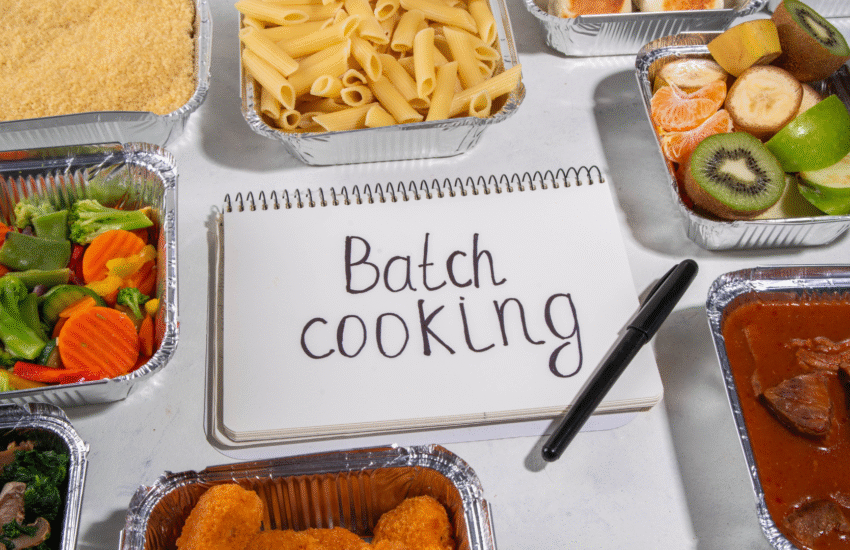
Freezing is useful for preserving leftovers or batch baking. Cookies freeze well in sealed bags or containers and should be thawed at room temperature to maintain texture.
Cakes freeze better uniced or with separated frosting, wrapped tightly in cling film and foil. Thawing should be slow and controlled to avoid condensation, which can affect texture and appearance.
Progressing from Beginner to Experienced Baker
Improving requires experimentation with different ingredients, techniques, and recipes beyond the basics. Learning to adjust recipes based on ingredient quality or oven performance is essential.
Advanced bakers track ingredient substitutions, timing adjustments, and temperature control to refine outcomes. They may explore artisanal breads, pastry techniques, or recipe creation.
Documenting successes and failures helps identify preferred methods and builds skill. Developing patience and attention to detail marks the transition from baking for beginners to confident, experienced baking.