10 Spices That Enhance Your Healthy Meals for Better Flavour and Nutrition
Incorporating spices into meals is a simple yet effective way to boost flavour and nutrition. Ten specific spices can transform healthy dishes from bland to delicious while also providing various health benefits. These spices not only enhance the taste but may also contribute to overall health, making them essential ingredients for anyone looking to elevate their diet without compromising on flavour.
Many spices also offer unique nutritional properties that support a healthy lifestyle. By understanding how to use these seasonings effectively, individuals can create meals that are not only satisfying but also packed with beneficial nutrients. From improving digestion to boosting immunity, the right herbs and spices are vital to vibrant health.
Exploring these ten spices will inspire readers to experiment in the kitchen and discover new dimensions of taste and wellness. By the end of this article, they will have the knowledge to elevate their culinary experience, making healthy eating enjoyable and diverse.
Top 10 Spices to Enhance Healthy Meals
Incorporating specific spices into meals can significantly boost their health benefits. Certain spices offer unique properties that support digestion, regulate blood sugar, and provide anti-inflammatory effects.
Turmeric: The Golden Superfood
Turmeric is widely known for its vibrant yellow hue and active compound, curcumin. This spice contains powerful antioxidant and anti-inflammatory properties, making it beneficial for conditions like arthritis and heart disease.
Adding turmeric to meals can enhance flavour while supporting overall health. It can be used in a variety of dishes, from curries to soups, and is especially effective when paired with black pepper, which increases curcumin absorption.
This spice also contributes to improved digestion and may help maintain healthy cholesterol levels. Regular consumption of turmeric may lead to better overall wellness due to its rich vitamin and mineral content.
Ginger: Versatile and Anti-Inflammatory
Ginger is another essential spice with numerous health benefits. Known for its versatility, it is frequently used in both sweet and savoury dishes. This spice is particularly recognised for its anti-inflammatory properties, making it beneficial for managing inflammatory conditions.
Incorporating ginger into meals aids digestion and can help alleviate symptoms like nausea. It also plays a role in regulating blood sugar levels.
Cooking with fresh ginger or using it in teas can enhance flavour while also reaping its health benefits. This spice contains essential oils and antioxidants that support the immune system and overall well-being.
Cinnamon: Regulating Blood Sugar
Cinnamon is a fragrant spice known for its distinct taste and numerous health advantages. It has been shown to help regulate blood sugar levels, making it an excellent choice for those monitoring their glucose.
Cinnamon is rich in antioxidants and possesses anti-inflammatory properties, which support overall metabolic health. This spice is easy to incorporate into meals, enhancing both sweet and savoury dishes.
Adding cinnamon to breakfast items like oatmeal or smoothies can boost flavour and nutritional value. Regular consumption may contribute to improved cholesterol levels and better heart health through its beneficial compounds.
Supporting Spices and Herbs for Healthier Meals
Incorporating specific spices and herbs can significantly enhance the nutritional profile and flavour of meals. The right choices can also offer health benefits, such as improved immunity and better nutrient absorption.
Cumin: Adding Flavour and Nutrients
Cumin is a popular spice known for its rich, earthy flavour. It contains essential oils that aid digestion and may help alleviate gastric problems. Cumin is also rich in antioxidants, which combat oxidative stress and may support overall health.
The spice is a good source of iron and has been linked with improved immunity, making it beneficial during cold seasons. Incorporating both whole seeds and ground cumin into dishes can maximise health benefits. This can include enhancing soups, stews, and even salads, providing not just flavour but nutrition.
Black Pepper: Boosting Absorption
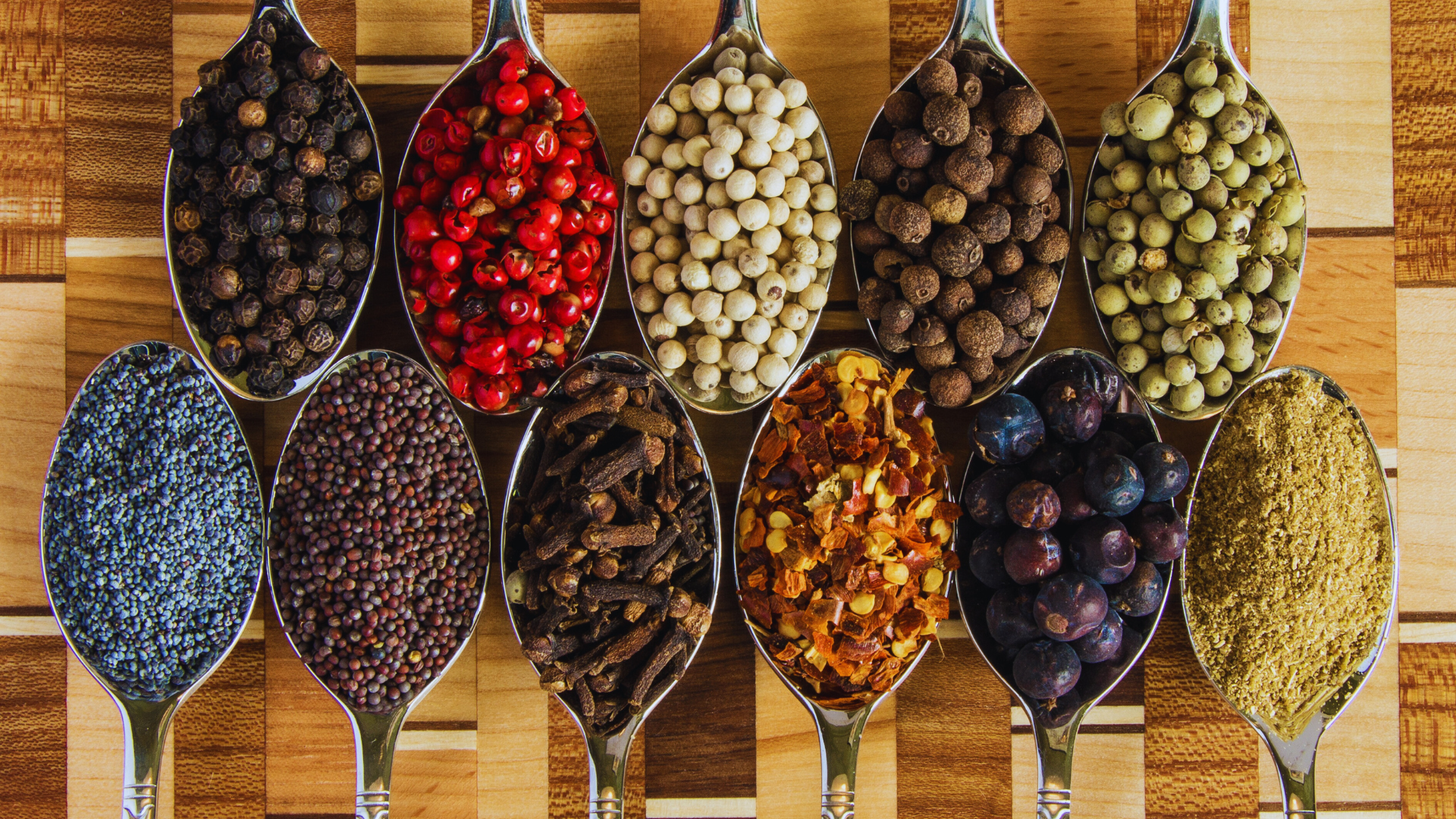
Black pepper contains piperine, a compound that enhances the bioavailability of various nutrients. It works particularly well in increasing the absorption of curcumin found in turmeric and other nutrients. This characteristic makes black pepper an essential addition to healthy meals.
Moreover, black pepper has antimicrobial properties that can contribute to food safety. When used fresh, either as whole peppercorns or ground, it provides a flavour boost that complements both savoury and sweet dishes. This versatility ensures it can be integrated seamlessly into a wide range of recipes.
Garlic: Nature’s Immunity Booster
Garlic is celebrated for its numerous health benefits, primarily due to its active compound, allicin. Allicin is known for its antibacterial and antiviral properties, which can help fortify the immune system. Regular garlic consumption has also been linked to lower cholesterol levels, providing cardiovascular benefits.
Garlic can be used fresh, roasted, or dried, adding depth of flavour to various meals. It is particularly effective in marinades, dressings, and sauces. By enhancing both taste and health, garlic stands out as a vital ingredient in healthy cooking.
Unique Flavours and Additional Health Benefits
Spices can add unique flavours to meals while providing significant health benefits. The following spices are noted for their distinctive tastes and contributions to health, particularly aiding in weight management, heart health, and digestive function.
Cayenne Pepper: Spicy Support for Weight Loss
Cayenne pepper contains a compound called capsaicin, which is responsible for its heat. This component can boost metabolism and enhance fat burning, making it a valuable addition for those pursuing weight loss. Including cayenne in meals may also suppress appetite and encourage a feeling of fullness.
Moreover, cayenne pepper is used in traditional medicine for its anti-inflammatory properties. It may assist in alleviating pain when applied topically. Additionally, its antimicrobial effects can help combat bad breath and may contribute to oral health.
Mustard Seeds: Heart Health and More
Mustard seeds are small yet powerful, and loaded with nutrients that support heart health. They are known to help lower cholesterol levels, potentially reducing the risk of heart disease. The seeds contain omega-3 fatty acids, which are beneficial for cardiovascular function.
Beyond heart health, mustard seeds offer antimicrobial properties and can aid digestion. They may act as an anti-inflammatory agent, helping to alleviate symptoms associated with certain gastrointestinal disorders. Incorporating mustard seeds into meals can provide both flavour and functional health benefits.
Clove: Potent Antioxidant Properties
Cloves are highly aromatic spices, rich in antioxidants that fight oxidative stress in the body. Their active compound, eugenol, possesses antiviral and antimicrobial properties, making them effective in strengthening the immune system. Cloves may also support healthy digestion and help reduce inflammation.
Research indicates that cloves can benefit oral health by combating bacteria in the mouth. Their potent flavour can enhance dishes while providing these significant health advantages, making cloves an excellent choice for a wholesome diet.
Cardamom: Aromatic and Digestive
Cardamom is known for its distinct flavour and fragrant aroma. This spice is also praised for its health benefits, particularly in digestive health. It can help alleviate indigestion, bloating, and gas, making it a popular addition to meals.
Moreover, cardamom has anti-inflammatory properties that may aid in reducing overall inflammation in the body. It can also help regulate cholesterol levels and may possess antimicrobial qualities. The versatility of cardamom allows for its inclusion in both sweet and savoury dishes, enhancing flavour while promoting health.
Incorporating Herbs and Spices into a Healthy Lifestyle
A variety of herbs and spices can enhance the flavour of meals while contributing to a healthy diet. They serve not just to tantalise taste buds but also to provide nutritional benefits that support overall health.
Culinary Herbs: Basil, Oregano, and Rosemary
Culinary herbs play a vital role in enhancing flavours without the need for excessive salt or unhealthy additives. Basil, with its aromatic scent, is often used in salads, sauces, and Mediterranean dishes. Rich in antioxidants, it also supports liver function.
Oregano is another powerhouse herb, particularly in Italian cuisine. It offers antibacterial properties and is high in anti-inflammatory compounds.
Lastly, rosemary has a robust flavour that pairs well with roasted meats and vegetables. Its potential antioxidant effects can contribute to better health when included in regular cooking.
Low-Sodium Seasoning and Dietary Tips
Adopting a low-sodium diet can be beneficial for heart health and overall well-being. Instead of reaching for salt, one can enhance dishes with herbs and spices.
Incorporating vinegar, lime juice, or a dash of hot sauce provides acidity and can enhance flavour profiles. Fresh herbs like parsley, sage, and thyme not only add flavour but also layers of nutrition.
When cooking, seasoning progressive layers with these alternatives can lead to a more satisfying meal experience without the added sodium.
Differences Between Herbs and Spices
Understanding the distinction between herbs and spices can aid in culinary choices. Herbs usually refer to the green, leafy components of plants, like basil or oregano. In contrast, spices derive from other parts such as seeds, roots, and bark, including black pepper and cinnamon.
Both herbs and spices can significantly impact the nutritional profile of meals. While herbs offer fresh flavours and antioxidants, spices often provide concentrated flavour and various health benefits. A balance of both in a diet can optimise flavour and nutrition.