
How To Batch Cook For The Week Ahead Efficiently And Stress-Free
Batch cooking is a practical way to save time, reduce stress, and ensure healthier meals throughout the week. It involves preparing multiple meals or ingredients in one cooking session, then storing them for easy use later. This approach allows anyone to streamline their kitchen routine and avoid last-minute decisions about what to eat.
By dedicating some time to batch cooking, people can control portions, minimise food waste, and maintain a balanced diet. It also helps reduce reliance on takeaways or convenience foods, which tend to be less nutritious. With the right planning and techniques, batch cooking becomes an efficient method to handle busy schedules without sacrificing quality meals.
The Fundamentals of Batch Cooking
Batch cooking focuses on preparing multiple meals at once, saving time throughout the week while improving organisation and reducing food waste. It requires planning, efficient use of ingredients, and techniques to store meals safely.
What Is Batch Cooking?
Batch cooking involves preparing large quantities of meals or ingredients in one session, which can be divided and stored for later use. Unlike simple meal prep, it often means cooking entire dishes or cooking components that form the base of many meals.
This method helps minimise daily cooking efforts, as meals or meal parts are ready to reheat or assemble quickly. It also supports healthier eating by controlling ingredients and portion sizes.
Benefits of Batch Cooking
Batch cooking offers several advantages. It saves time by concentrating cooking efforts into one or two sessions each week. This reduces the need to cook every day.
It also lowers the likelihood of relying on takeout, as home-cooked meals are more readily available. Additionally, batch cooking reduces food waste by using ingredients efficiently, planning portions carefully, and making use of leftovers.
Financial savings are another benefit, as buying ingredients in bulk and using them fully reduces overall grocery costs.
Key Principles for Effective Meal Prep
Effective batch cooking requires clear planning, including choosing recipes that store well and reheat effectively. Ingredients should be versatile to create multiple meal variations.
Organised shopping lists and kitchen workflow can improve efficiency. Using airtight containers and freezing portions ensures food safety and prolongs freshness.
Consistency in portion size helps control nutrition and reduces waste. Finally, keeping meals flavourful after storage is critical, so seasonings and textures should be considered during preparation.
Planning and Preparing for a Successful Week
Effective planning is crucial for saving time and reducing stress during the week. Selecting meals that store well, purchasing the right ingredients, and having essential tools ready can streamline the batch cooking process.
Choosing Make-Ahead Meals
Selecting make-ahead meals that reheat well and retain flavour is central to batch cooking success. Hearty dishes like casseroles, stews, curries, and pasta bakes are reliable choices because they often improve in taste after a day or two.
Focus on meals that use versatile ingredients to maximise efficiency. Recipes with components that freeze and defrost easily help maintain quality over several days. Avoid meals with delicate greens or crispy textures that may become soggy.
It is important to consider nutritional balance. Including vegetables, proteins, and carbohydrates in each dish supports varied, healthy eating throughout the week. Planning meals with similar ingredients allows bulk use without repetition.
Shopping and Ingredient Selection
Thorough shopping saves unnecessary trips and ensures all ingredients are on hand for batch cooking. Creating a detailed list based on chosen recipes improves organisation and reduces impulse buys.
Selecting fresh, high-quality produce is vital for meal longevity. Vegetables like carrots, potatoes, and bell peppers keep well after cooking and store effectively in airtight containers. Proteins, whether meat or plant-based, should be fresh and portioned before cooking.
He should consider bulk buying staple items such as rice, pasta, or canned goods, which are less perishable and useful across multiple meals. Checking use-by dates and storage recommendations helps maintain safety and quality during the week.
Essential Tools and Equipment
Certain tools significantly ease batch cooking and food storage. Multiple airtight containers in various sizes allow for portioning meals efficiently and preserving freshness. Containers should be microwave- and freezer-safe for reheating convenience.
A good set of knives, cutting boards, and pots with heavy bases improves preparation and cooking speed. Slow cookers or pressure cookers can simplify complex meals, allowing unattended cooking.
Meal prep bags, measuring cups, and reusable labels for containers contribute to better organisation. These tools help keep track of contents and dates, reducing food waste and ensuring meals are consumed while fresh.
Batch Cooking Techniques and Meal Ideas
Successful batch cooking relies on preparing versatile components that can be mixed and matched throughout the week. Efficient storage and portioning also ensure meals stay fresh and quick to reheat for busy days.
Preparing Grains and Bases (Rice, Quinoa, Pasta)
Cooking grains like rice, quinoa, and pasta in bulk is foundational. Use a rice cooker or saucepan with a tight lid to cook large portions evenly. Quinoa offers a protein-rich alternative and cooks in about 15 minutes.
After cooking, let grains cool completely before storing to prevent sogginess. Portion into single or family-sized servings using airtight containers to maintain freshness. Cooked pasta should be drained well and tossed with a light drizzle of olive oil to avoid sticking.
These bases can easily be turned into quick dinners by adding different sauces or veggies later in the week.
Protein Options and Portioning
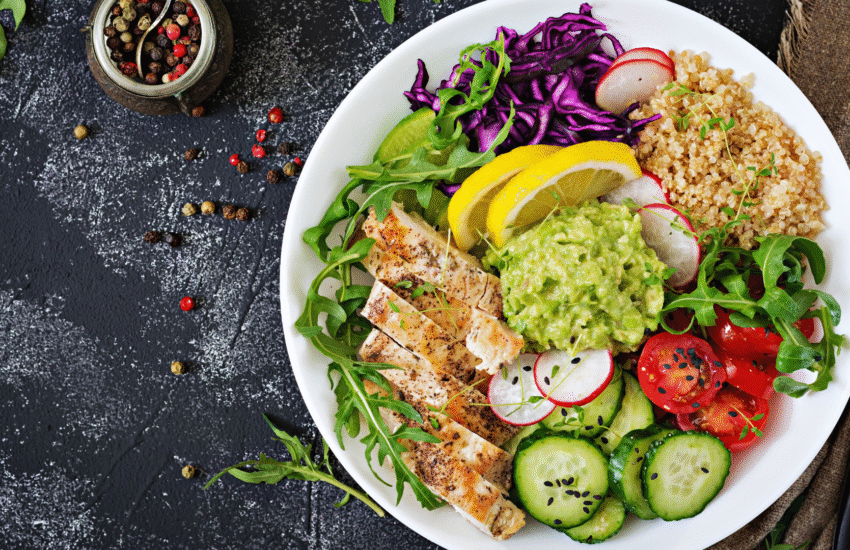
Batch cooking proteins involves either roasting, grilling, or slow-cooking meats and legumes in advance. Chicken breasts, beef mince, or tofu are popular choices that reheat well.
After cooking, proteins should be divided into meal-sized portions and cooled quickly. Using airtight containers or vacuum-sealed bags keeps them fresh and prevents freezer burn. For vegetarians, a batch of cooked lentils or chickpeas provides a long-lasting protein source.
Proper portioning helps reduce waste and speeds up meal assembly during the week.
Vegetable Roasting and Salad Prep
Roasting vegetables in large batches requires spreading them evenly on baking trays for uniform cooking. Use sturdy veggies like carrots, sweet potatoes, and peppers that hold up well over days.
Leafy greens should be washed, dried thoroughly, and stored separately to maintain crispness. Prepare simple salads in advance by chopping ingredients, but keep dressings separate until serving.
This method allows for nutrient-rich, quick assembly meals. Roasted vegetables can be paired with grains and proteins for balanced plates.
Storage and Reheating Methods
Using airtight containers is essential to prolong the shelf life of batch-cooked meals. Glass containers or BPA-free plastic with tight seals work best for quick access and preventing odours.
Label containers with cooking dates to track freshness, generally aiming to consume within 3-5 days. Reheat only the portion needed, using the microwave or oven. Add a splash of water or sauce to restore moisture during reheating.
Consistent cooling and sealing practices reduce spoilage and maintain flavour throughout the week.