How to Cook Healthy Meals Without Sacrificing Taste: Expert Tips for Delicious and Nutritious Cooking
Many believe that healthy meals lack flavour, but this is not true. Cooking nutritious food with great taste is entirely possible by choosing fresh ingredients and using smart cooking techniques. The key is balancing wholesome ingredients with herbs, spices, and cooking methods that enhance natural flavours without adding excess fat or sugar.
People often think healthy meals are time-consuming or bland, but simple adjustments can change that. Using seasonal produce, lean proteins, and whole grains makes meals both satisfying and nourishing.
With a focus on flavour and nutrition, anyone can enjoy meals that support health without giving up on deliciousness.
Principles of Cooking Healthy and Flavourful Meals
Creating meals that are both nutritious and tasty requires attention to how ingredients are chosen, balanced, and prepared. The right combination of nutrients, diverse ingredients, and appropriate cooking techniques can elevate health without compromising flavour.
Understanding Nutritional Balance
A well-balanced meal includes the right proportions of macronutrients: proteins, carbohydrates, and fats. Proteins support muscle repair and satiety, while complex carbohydrates provide sustained energy. Healthy fats, such as those from olive oil or nuts, aid in nutrient absorption and add richness to dishes.
Portion control is critical to avoid excess calories. Incorporating fibre-rich vegetables and whole grains improves digestion and enhances fullness. Reducing added sugars and excessive salt also contributes to overall health without sacrificing taste.
Incorporating a Variety of Ingredients
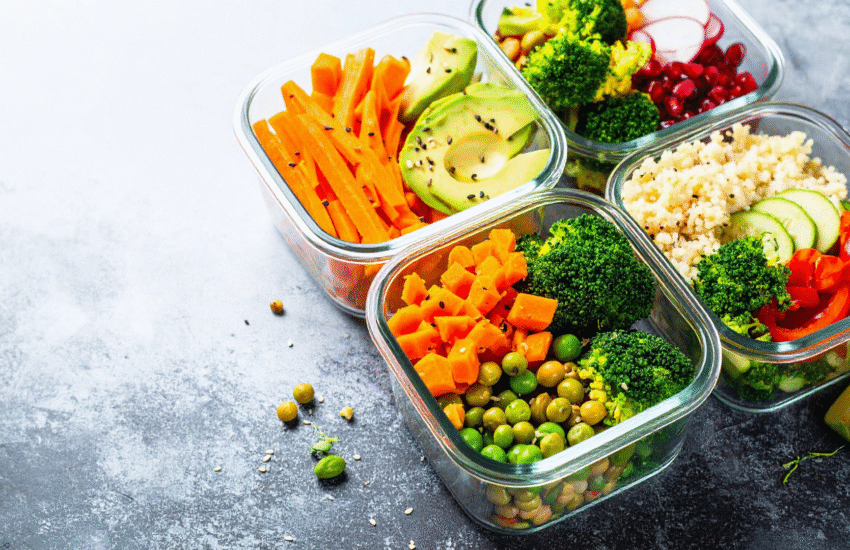
Using a wide range of ingredients introduces diverse nutrients and flavours. Colourful vegetables supply antioxidants and vitamins that boost health and add vibrancy to meals.
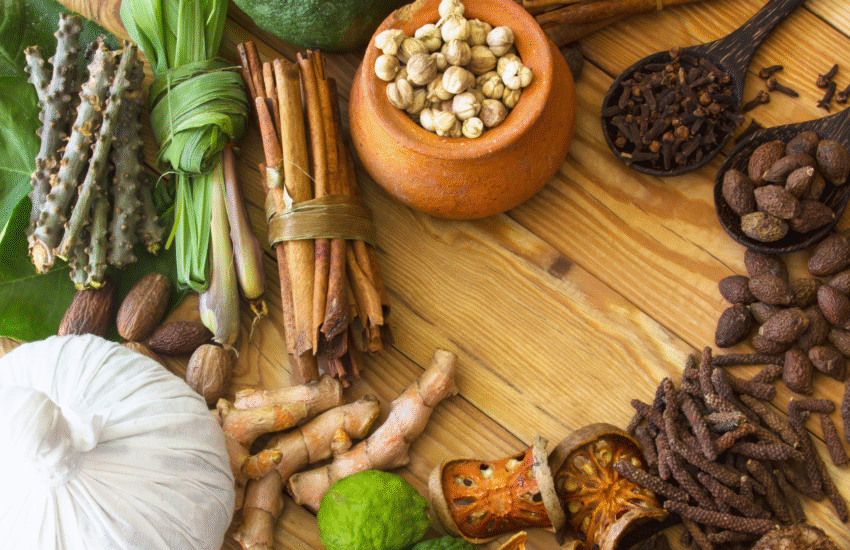
Herbs and spices, such as rosemary, cumin, or ginger, enhance flavour naturally, reducing the need for salt or sugar. Lean proteins like chicken, fish, or legumes provide essential amino acids without extra saturated fat.
Including seasonal and local produce can improve freshness and nutritional content. Experimenting with whole grains like quinoa or brown rice diversifies textures and boosts fibre intake.
Optimising Cooking Methods
Choosing cooking techniques that preserve nutrients while maximising taste is essential. Steaming, poaching, and grilling minimise fat use and retain vitamins better than deep-frying or excessive boiling.
Using methods like roasting vegetables caramelises natural sugars, adding depth of flavour without extra calories. Sautéing with minimal oil and layering flavours through sautéed onions, garlic, or spices enhances complexity.
Avoiding overcooking protects texture and nutrient quality. Incorporating low-temperature slow cooking can tenderise ingredients while keeping nutrient loss low.
Smart Ingredient Swaps for Healthier Dishes
Replacing certain ingredients can enhance nutrition without compromising flavour or texture. Choosing whole grains, plant-based options, and smart substitutes for creamy elements allows for balanced, tasty meals.
Plant-Based Alternatives for Traditional Staples
Swapping meat or processed proteins for plant-based options like chickpeas introduces fibre and protein while lowering saturated fats. Chickpeas can be used in curries, salads, and even mashed for patties.
Zucchini noodles and spaghetti squash are excellent substitutes for traditional pasta. These vegetables reduce carbohydrate content and add vitamins, making them lighter choices without losing the familiar pasta feel.
Quinoa and brown rice are superior to white rice or refined grains. They provide more fibre and minerals, improving digestion and satiety. Incorporating whole-grain pasta also boosts nutritional value without altering the taste significantly.
Boosting Nutrition Without Losing Taste
Cauliflower rice is a versatile ingredient that replaces white rice while adding vitamin C and fibre. It can be lightly steamed or microwaved to absorb flavours from spices, stocks, or sauces.
Adding Greek yoghurt in place of sour cream or mayonnaise offers more protein and less fat. It can maintain creaminess in dips, dressings, and sauces without a heavy mouthfeel.
Incorporating legumes and whole grains into meals increases fibre, protein, and essential nutrients. They support heart health and reduce calorie density, which helps maintain energy levels and fullness between meals.
Low-Calorie Replacements for Creamy Textures
Greek yoghurt is an effective low-calorie swap for cream or mayonnaise in recipes. It keeps the texture smooth and enhances flavour without excess saturated fat.
Using blended silken tofu or pureed cauliflower can replace cream in soups and sauces, cutting calories and fat while maintaining richness.
Nut-based butters or avocado used sparingly can substitute heavy creams or cheeses. They add healthy fats that support overall health but require portion control due to calorie density.
Techniques to Enhance Flavour Without Excess Fat or Salt
Flavour can be boosted through precise use of natural ingredients and smart cooking methods. Adjusting acidity and umami levels, along with texture and presentation, further improves taste without adding unhealthy fats or excess salt.
Using Herbs and Spices Effectively
Herbs and spices are key to adding depth without extra calories. Fresh herbs like basil, coriander, and parsley release bright, vibrant notes when added at the end of cooking. Dried herbs work better early on to allow flavours to infuse slowly.
Spices such as cumin, paprika, and turmeric add warmth and complexity. Toasting whole spices in a dry pan before use intensifies their aroma. Combining different spices in small amounts creates layered tastes that reduce the need for salt.
A basic guideline is to start with small quantities and increase gradually, ensuring the ingredients complement rather than overpower the dish.
Maximising Natural Flavours Through Cooking
Cooking techniques like roasting, grilling, and slow-cooking amplify natural sweetness and savoury notes in ingredients. For example, roasting vegetables caramelises their sugars, adding a rich flavour without extra fat.
Searing meats quickly locks in juices, while slow simmering enhances broth depth. Using moisture-conserving methods preserves the inherent flavours, reducing the need for added salt or butter.
Incorporating ingredients such as onions, garlic, and leeks early in cooking builds a strong flavour base. These aromatics break down and release natural sugars, contributing to a fuller taste profile.
Balancing Acidity and Umami
Acidity brightens flavours and cuts through richness. Ingredients like lemon juice, vinegar, or tomatoes add sharpness that enhances a dish’s overall taste without salt.
Umami-rich foods such as mushrooms, soy sauce, or nutritional yeast add savouriness. These ingredients deepen flavour experiences and create a satisfying taste balance.
Combining acidity and umami strategically fills flavour gaps. For example, a splash of balsamic vinegar paired with sautéed mushrooms adds complexity and reduces dependence on salt.
Texture and Presentation Tips
Texture enhances eating enjoyment and can make healthy meals more appealing. Crunchy elements like nuts or seeds contrast with softer components, creating satisfying mouthfeel contrasts.
Presentation also affects perception of taste. Colourful plates with varied shapes and sizes stimulate appetite and make food seem more flavourful.
Simple techniques such as garnishing with fresh herbs, lightly toasting toppings, or layering ingredients keep meals interesting without adding unhealthy elements.
Inspiring Examples of Healthy and Tasty Meals
Combining flavour with nutrition is achievable through smart ingredient choices and cooking techniques. Meals can be made satisfying while keeping calories, fats, and sugars in check, using fresh produce and protein sources creatively.
Vegetarian and Plant-Forward Recipes
Vegetarian meals often depend on legumes and vegetables as protein and fibre sources. Chickpeas, for example, can be transformed into spicy stews or roasted for crunch, providing a satisfying texture and complex flavour.
Quinoa serves as a complete protein and works well as a base for salads or light bowls paired with roasted vegetables. Zucchini noodles can replace traditional pasta, reducing carbs while adding moisture and colour.
Using cauliflower rice in stir-fries or as a side offers a low-calorie alternative that absorbs flavours well. Herbs and spices enhance the overall taste, eliminating the need for heavy sauces or excess salt.
Protein-Rich Mains
Protein-rich mains are vital to maintaining muscle and energy balance. Lean poultry, fish, and plant-based proteins like lentils offer dense nutrition without excess fat.
A quinoa and chickpea patty or salad combines these sources, delivering both texture and protein. Cooking methods such as grilling, baking, or steaming preserve nutrients and keep meals lean.
Incorporating vegetables like zucchini and cauliflower into mains increases fibre and vitamins. Stir-fried zucchini noodles or cauliflower rice with diced chicken breast are quick, healthy options rich in protein and low in calories.
Balanced Meal Inspiration
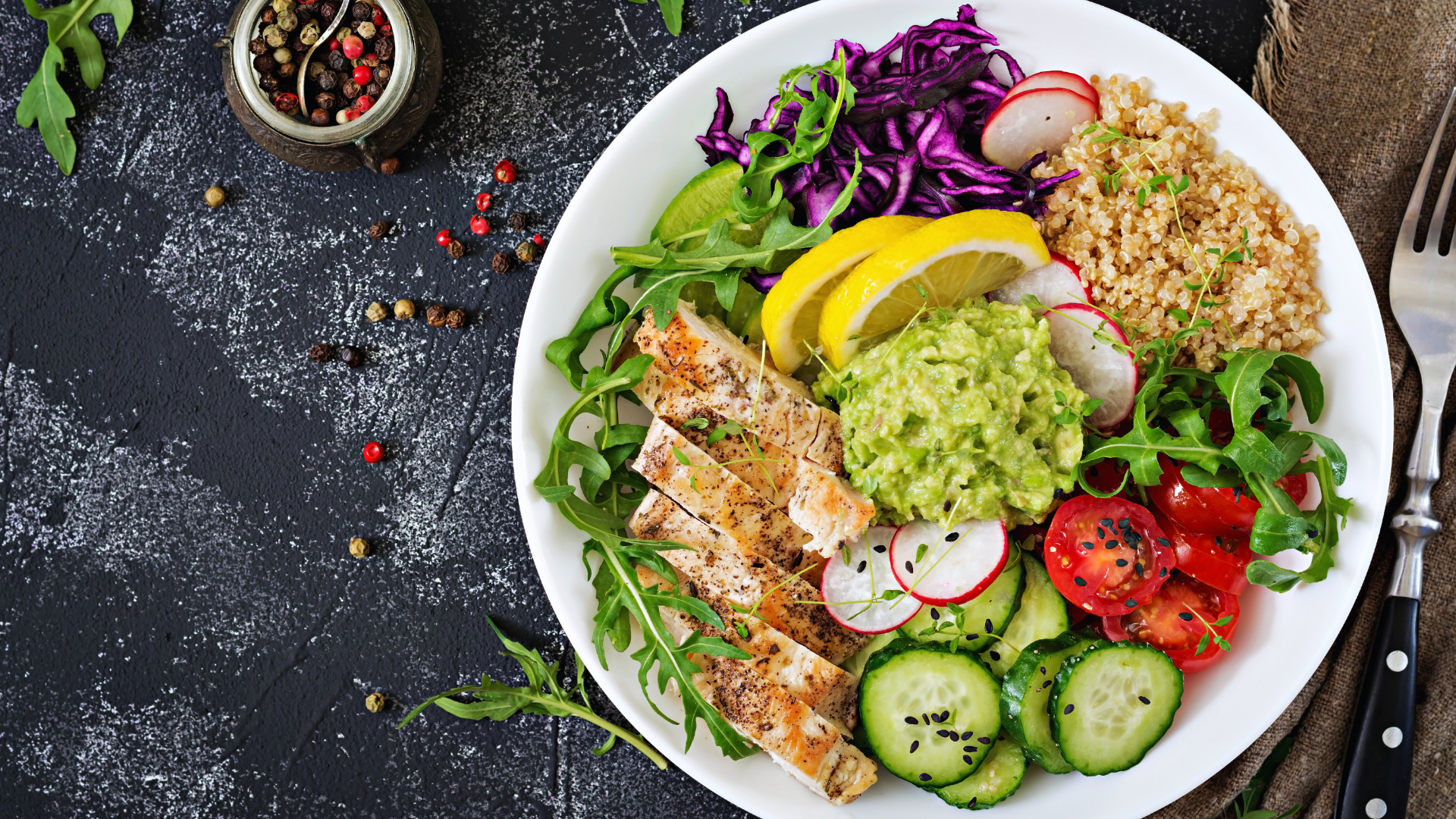
Balanced meals focus on harmonising macronutrients for sustained energy. A plate mixing lean protein, fibre-rich vegetables, and healthy fats is essential.
An example includes grilled salmon with a side of cauliflower rice and a chickpea salad dressed with olive oil and lemon. This combination provides omega-3s, protein, and complex carbohydrates in one meal.
Portion control is also important. Filling half the plate with vegetables such as zucchini noodles or roasted cauliflower ensures adequate fibre and vitamins while limiting calorie density. This approach supports both taste and health effectively.