Top Vegetarian Recipes That Boost Energy for a Vibrant Lifestyle
For those seeking a boost in energy without the inclusion of meat, exploring vegetarian recipes can be both fulfilling and beneficial. Protein-rich, meat-free meals packed with wholesome ingredients provide a sustainable source of energy throughout the day. From hearty lentil dishes to vibrant quinoa salads, these recipes not only nourish the body but also keep fatigue at bay.
Embracing a meat-free lifestyle can lead to a variety of delicious options that energise without compromising on flavour. Dishes that incorporate legumes, whole grains, and an array of vegetables offer essential nutrients that invigorate and sustain. This blog post highlights top vegetarian recipes designed to enhance energy levels, proving that plant-based meals can be both vibrant and vital.
Whether one is fully vegetarian or simply looking to incorporate more meat-free options, these recipes serve as an excellent guide. From quick snacks to satisfying main courses, the following selections are tailored to revitalise and inspire.
Fundamentals of High-Energy Vegetarian Eating
High-energy vegetarian eating focuses on specific nutrients that promote vitality and endurance. By incorporating a variety of plant-based foods rich in essential nutrients, individuals can optimise their energy levels throughout the day.
Key Nutrients for Sustained Vitality
Key nutrients for energy include complex carbohydrates, proteins, and healthy fats. Whole grains, legumes, and starchy vegetables provide sustained energy through complex carbohydrates, which digest slowly.
Protein-rich foods such as lentils, chickpeas, and tofu are vital for muscle repair and maintenance.
Incorporating healthy fats from sources like avocados, nuts, and seeds can help maintain energy levels by providing a concentrated source of calories and supporting cellular health. A balanced plate ensures a steady release of energy.
Role of Fibre and Antioxidants in Energy Production
Fibre is crucial for digestive health and regulates blood sugar levels, which can help prevent energy spikes and crashes. Foods rich in fibre, such as beans, fruits, and vegetables, promote feelings of fullness and support gut health.
Antioxidants, found in fruits and vegetables, combat oxidative stress and enhance cellular function. This boost helps improve energy levels and overall health. Key sources include berries, dark leafy greens, and citrus fruits.
Including a variety of colourful produce ensures a wide range of antioxidants, which can enhance energy production and recovery.
Balancing Protein and Healthy Fats in Meat-Free Diets
A balanced approach to protein and healthy fats is essential in a vegetarian diet. Incorporating plant-based proteins like quinoa, tempeh, and hemp seeds ensures adequate intake for energy and muscle function.
Healthy fats support hormone production and nutrient absorption. Sources such as olive oil, nuts, and seeds contribute to heart health and sustained energy.
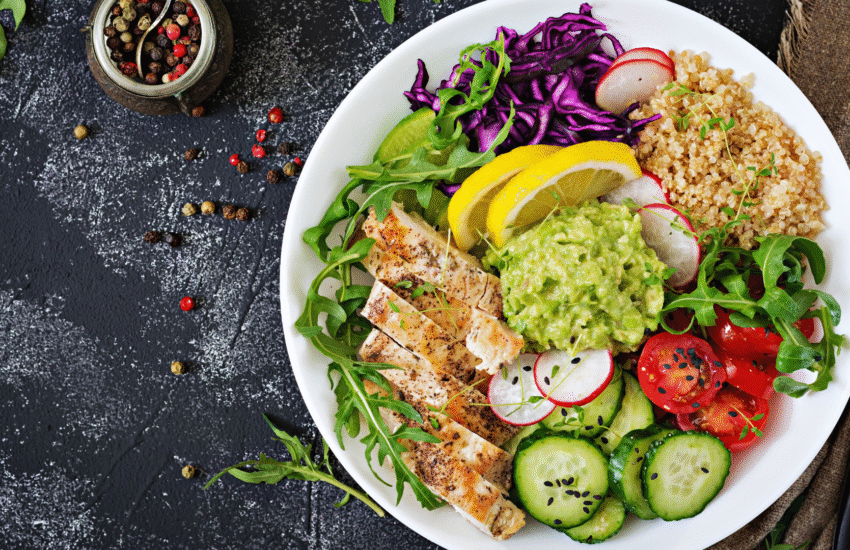
Combining these elements—protein-rich foods and healthy fats—can create nutrient-dense meals that keep energy levels stable throughout the day. Consider meals like quinoa salad with nuts and vegetables to achieve this balance.
Top Vegetarian Recipes That Boost Energy
A well-planned vegetarian diet can provide all the energy needed for an active lifestyle. The following recipes incorporate nutrient-dense ingredients that are known to boost energy levels throughout the day.
Energising Breakfast Ideas for a Power Start
Oatmeal is an excellent breakfast choice, packed with fibre and complex carbohydrates. It helps regulate blood sugar and provides sustained energy. A bowl of oatmeal topped with sliced bananas, walnuts, and a drizzle of honey makes for a delicious start.
Smoothies are another power-packed option. Mixing leafy greens, bananas, and nut butter can create a revitalising drink. Lactose-free yoghurt can add creaminess and protein, while berries contribute antioxidants.
Avocado toast also offers healthy fats and fibres. Topped with tomatoes and seeds, it is both filling and energising.
Invigorating Lunches to Keep You Going
Salads can be energising when filled with protein-rich ingredients. A chickpea salad mixed with cucumber, peppers, and broccoli can keep hunger at bay while providing vitamins and minerals. A dressing of lemon juice and olive oil can add flavour.
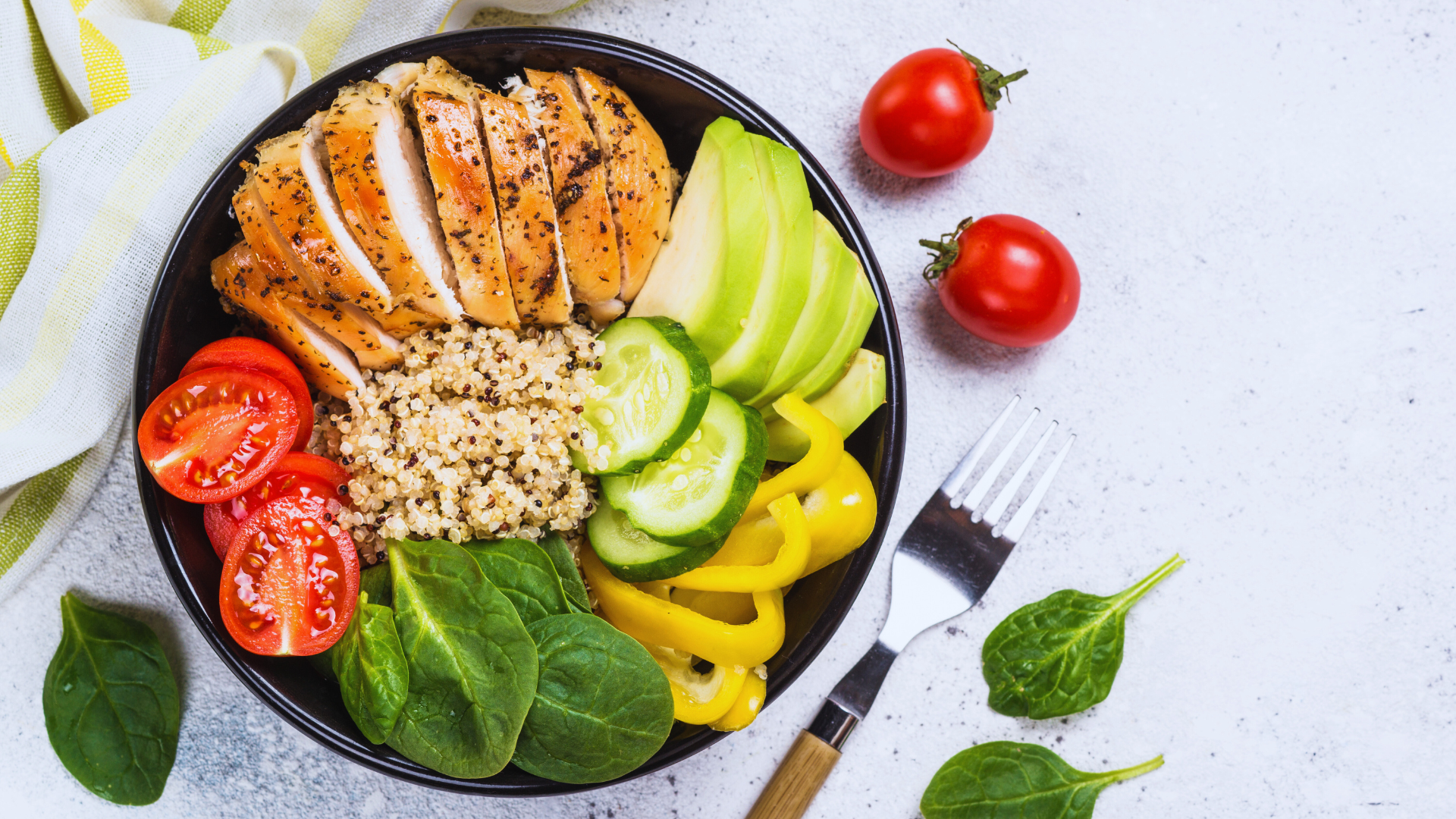
Quinoa bowls make a hearty lunch, providing amino acids and fibre. Combining cooked quinoa with roasted vegetables, such as cauliflower and mushrooms, adds different textures and nutrients.
Additionally, a tofu stir-fry is quick and versatile. Tossing tofu with assorted vegetables and soy sauce can create a satisfying meal that’s rich in protein.
High-Energy Dinner Recipes
For dinner, a bean chilli can offer protein and fibre. Using black beans and kidney beans, along with diced tomatoes and peppers, creates a hearty dish. Spices such as cumin and paprika can amplify the flavour.
Stuffed bell peppers can also be an excellent option. Filling them with brown rice, beans, and spices offers a healthy balance of protein and carbohydrates. Topped with cheese or nutritional yeast, they become satisfying.
A vegetable curry with cauliflower, broccoli, and chickpeas served with brown rice or wholegrain naan ensures a fulfilling meal. Coconut milk can provide creaminess, while spices add depth.
Snack Options That Sustain Your Momentum
Healthy snacks are crucial for continuous energy. A trail mix composed of nuts, seeds, and dried fruits offers a quick boost. The combination of healthy fats, proteins, and natural sugars supports energy levels.
Vegetable sticks with hummus are both tasty and nutritious. Carrots, cucumber, and bell peppers dipped in chickpea-based dip provide fibre and protein.
Lastly, energy balls made from oats, nut butter, and honey are easy to prepare. Rolling them into bite-sized treats makes for a convenient, energising snack.
Incorporating Flavoursome Ingredients for Enhanced Energy
Selecting the right ingredients can significantly enhance energy levels in vegetarian dishes. Flavoursome elements not only add taste but also provide crucial nutritional benefits that support vitality.
Using Herbs and Spices for Nutritional Benefits
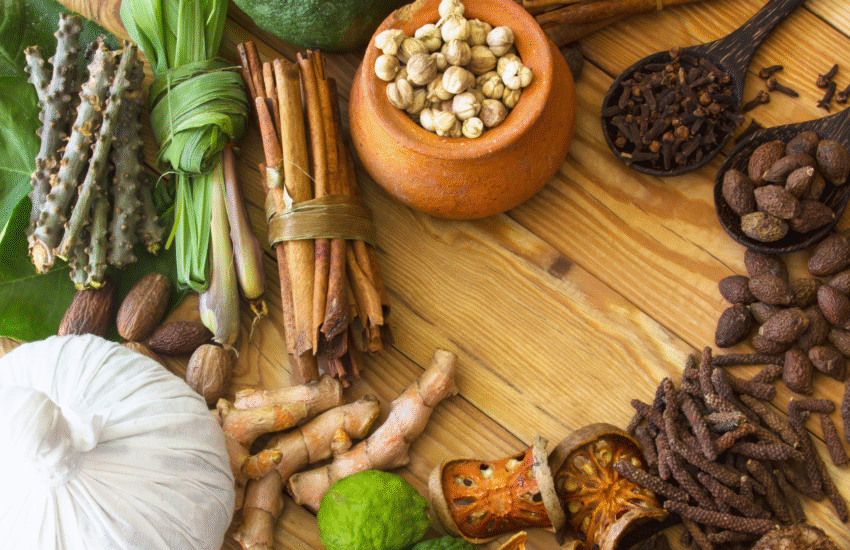
Incorporating herbs and spices can dramatically elevate the flavour and nutritional profile of meals. Ingredients like ginger and turmeric are renowned for their anti-inflammatory properties. Adding fresh coriander enhances dishes with a refreshing note while offering antioxidants.
Lime and lemon juice serve as excellent additions, providing a bright acidity that can elevate taste and digestion. These citrus flavours help to boost the immune system and keep the body energised.
Using a mix of these herbs and spices can lead to flavourful creations that not only tantalise the palate but also pack a punch in terms of health benefits.
Healthy Fats and Plant-Based Protein Sources
Healthy fats like olive oil and coconut milk are integral for sustained energy. These fats assist in nutrient absorption and help maintain energy levels throughout the day.
Beans and grains such as couscous provide essential proteins. They also work harmoniously with vegetables, resulting in a wholesome, nutrient-dense dish.
Combining these ingredients ensures a balance of macronutrients, crucial for maintaining high energy levels. Incorporating a variety of flavours keeps meals interesting and satisfying, aiding in a sustained energy boost.
Health Benefits Beyond Energy: Disease Prevention and Wellness
A plant-based diet often combines nutrient-dense foods that significantly contribute to health improvements. Among these benefits are the potential reductions in the risk of heart disease and cancer, largely due to the inclusion of vegetables and fruits.
Supporting Heart Health Through Diet
A vegetarian diet can play a crucial role in supporting heart health. Foods rich in fibre, such as whole grains, legumes, and a variety of fruits and vegetables, help lower cholesterol levels. This reduction in cholesterol is vital in preventing cardiovascular diseases.
Key beneficial nutrients found in plant-based foods include:
- Omega-3 fatty acids: Found in walnuts and flaxseeds, support heart function.
- Antioxidants: Present in berries and leafy greens, help reduce inflammation.
- Potassium: Abundant in bananas and sweet potatoes, aids in maintaining healthy blood pressure.
Regular consumption of these foods can lead to healthier arteries and improved overall heart function.
Reducing Cancer Risk with Meat-Free Choices
Shifting to a vegetarian diet may help in reducing the risk of certain cancers. Research indicates that diets high in vegetables and fruits foster a protective effect due to their rich content of vitamins, minerals, and phytochemicals.
Food groups particularly effective in cancer reduction include:
- Cruciferous vegetables: Such as broccoli and kale contain compounds that may aid in detoxification.
- Tomatoes: Rich in lycopene, linked with a lower risk of prostate cancer.
- Berries: High in antioxidants, they combat oxidative stress.
Incorporating a variety of these foods not only boosts overall health but can play a significant role in cancer prevention strategies.