How to Meal Prep Like a Professional Chef: Mastering Time-Saving Techniques
Meal prepping like a professional chef can transform ordinary cooking routines into efficient culinary experiences. By adopting techniques used by experts, anyone can create meals that not only save time but also enhance flavours and nutrition. The key lies in organisation, strategic planning, and understanding proper food storage methods to maintain freshness.
A well-structured meal prep routine involves selecting recipes that complement each other, allowing for ingredient interchangeability throughout the week. Chefs often focus on using seasonal ingredients to maximise flavour and minimise cost. Incorporating batch cooking methods can also streamline the effort, leading to delicious meals ready to be enjoyed at a moment’s notice.
Investing time in meal prepping helps to eliminate daily decision fatigue about what to cook and contributes to healthier eating habits. Knowing how to portion meals correctly and store them so they remain appetising is crucial. With the right approach, anyone can enjoy the benefits of meal prepping just like the professionals.
Essential Meal Prep Techniques
Meal prep involves several techniques that enhance efficiency and maintain food quality. Key methods include mastering batch cooking, vacuum sealing for preservation, and utilising the oven effectively to streamline the preparation process.
Mastering Batch Cooking
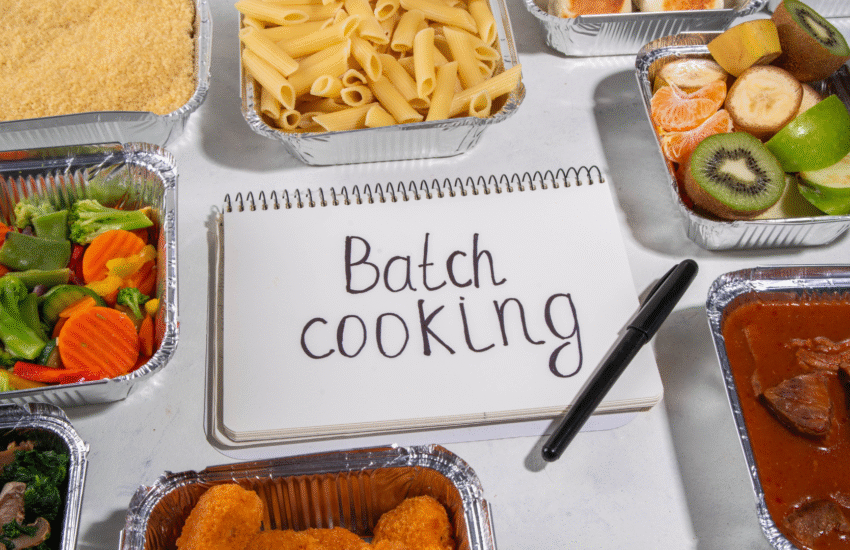
Batch cooking is about preparing large quantities of food at once. This technique allows for a variety of meals throughout the week, saving time and effort.
To begin, choose recipes that utilise similar ingredients. For instance, cooking a large batch of quinoa can serve as a base for various dishes, such as salads and grain bowls.
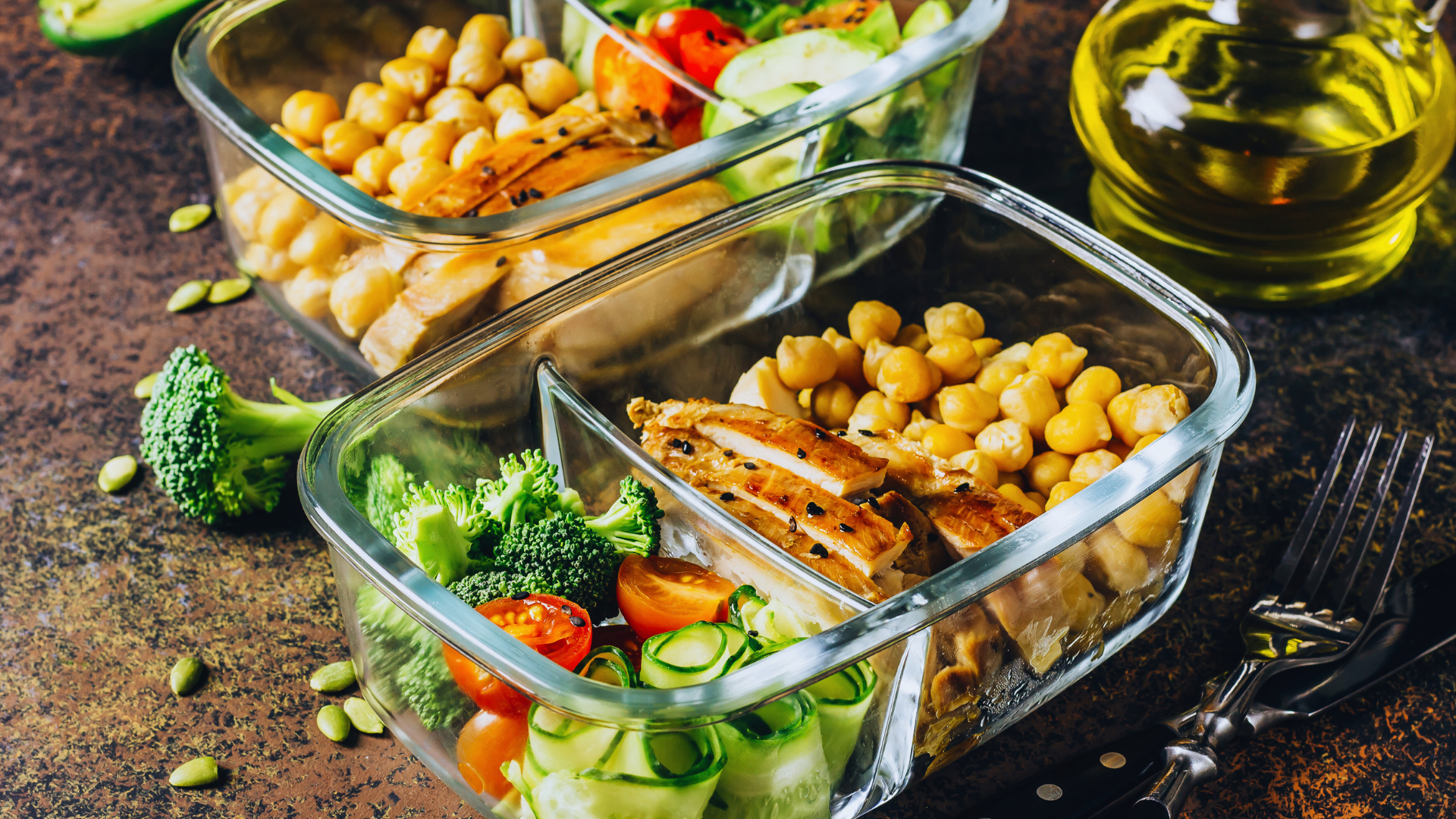
Portion out the meals into individual containers to make them easy to grab during the week. It also helps in controlling serving sizes, ensuring balanced meals.
Vacuum Sealing and Preservation
Vacuum sealing is essential for maintaining freshness. Removing air from storage bags inhibits bacterial growth and extends the lifespan of cooked and raw foods.
Investing in a quality vacuum sealer can prevent freezer burn and dehydration. It’s ideal for preserving items like meats, fish, and vegetables.
Label containers with dates and contents to ensure they are used efficiently. This practice helps in managing inventory and avoiding food waste.
Utilising the Oven Efficiently
The oven can be a powerful tool for meal prep when used wisely. Cooking multiple dishes simultaneously saves energy and time.
Adjusting oven racks appropriately allows for different foods to be cooked at once. For example, roasting a tray of vegetables while baking chicken can optimise cooking time.
Using lined trays and parchment paper can simplify clean-up and maintain the quality of the food. It also allows for easy transfer of ingredients from the oven to storage.
Planning Your Meals Like a Chef
Strategic planning forms the backbone of efficient meal preparation. Focusing on a balanced menu, selecting quality ingredients, utilising pantry staples, and accentuating flavours will enhance the meal-prepping experience.
Creating a Balanced Meal Prep Menu
To create a balanced menu, consider each meal’s macronutrient ratio. A well-rounded meal typically includes protein, carbohydrates, and healthy fats.
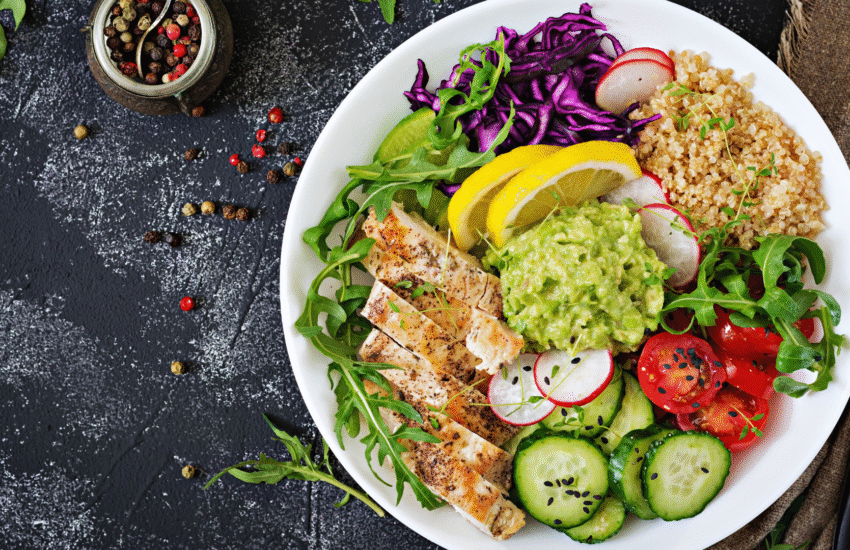
Protein sources may include chicken, fish, beans, or tofu. Choose complex carbs such as quinoa, brown rice, or whole-grain pasta. Incorporating healthy fats is essential; think olive oil or butter for cooking or salad dressings.
Plan for variety throughout the week by choosing seasonal vegetables. This not only promotes balance but also supports nutritional needs. A simple table format can aid in visualising meals for the week:
|
Day |
Protein | Carb | Vegetable |
|
Monday |
Chicken | Quinoa | Broccoli |
|
Tuesday |
Tofu | Brown Rice | Spinach |
| Wednesday | Salmon |
Sweet Potato |
Asparagus |
| Thursday | Beef | Whole Wheat |
Peppers |
| Friday | Lentils | Couscous |
Zucchini |
Choosing Quality Protein Sources
Quality protein choices impact health and meal flavour. Select fresh, high-quality options to boost taste and nutrient intake.
Fresh fish from sustainable sources is excellent, offering essential omega-3 fatty acids. Chicken breasts or thighs are versatile and can be grilled, baked, or roasted with various seasonings.
For those pursuing plant-based diets, consider legumes like chickpeas or lentils. These offer substantial protein while providing fibre. Incorporate variety by periodically rotating protein sources. This keeps meals interesting and ensures a broad spectrum of nutrients.
Incorporating Pantry Staples
Pantry staples are invaluable for meal prep. They can be the foundation of many dishes when fresh ingredients are unavailable. Common staples include grains, beans, and spices.
Include olive oil for cooking and dressings; its versatility is unmatched. Stock up on dried herbs like oregano, thyme, and basil. Using these can transform simple dishes significantly.
Canned beans are quick protein sources. Whole grains like brown rice or couscous have long shelf lives, making them reliable staples. Regularly assess your pantry to ensure it remains stocked with essentials. A well-prepared pantry supports creativity in meal prep.
Seasonal Ingredients and Flavour Enhancement
Utilising seasonal ingredients enhances flavour and optimises quality. Fresh produce is often more flavourful and nutrient-rich.
Visit local markets to find seasonal fruits and vegetables. Incorporate these into meal preparations for freshness. Seasonal recipes often highlight specific ingredients, elevating the overall taste experience.
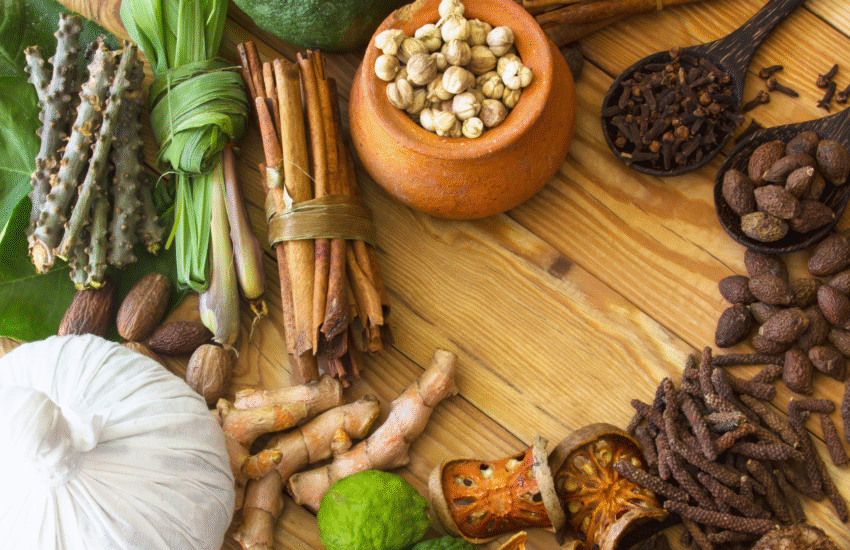
Include flavour enhancers like fresh herbs, garlic, and citrus zest. These ingredients can elevate meals without adding unnecessary calories. Proper seasoning techniques, such as marinating proteins in olive oil and herbs, can also deepen flavours. Emphasising freshness in ingredients will yield more satisfying and enjoyable meals.
Recipes and Dishes for Professional Meal Prep
Meal prepping involves selecting versatile recipes that save time while providing nourishment. Focused on key dishes, this section highlights options for breakfast, salads, soups, and creative meals tailored for efficient preparation.
Wholesome Breakfast Meal Prep
Breakfast is essential for starting the day right. A great option is egg muffins, made by whisking eggs with chopped vegetables, cheese, and pre-cooked sausages. Bake these in a muffin tin for easy portion control.
Overnight oats are another excellent choice. Combine rolled oats with milk or yoghurt, chia seeds, and fruits. Prepare several jars in advance, allowing flavours to meld overnight.
Smoothie packs offer a quick solution. Portion frozen fruits, spinach, and protein powder into bags for easy blending each morning.
Nutritious Salads and Sandwiches
Salads can be both filling and diverse. He prefers quinoa salad, mixing cooked quinoa with chickpeas, diced bell peppers, and a lemon-tahini dressing. This base can last several days without losing freshness.
For sandwiches, using whole grain bread with lean proteins, such as turkey or hummus, makes for nutritious choices. Prepare spreads or sauces ahead of time for easy assembly during the week.
Adding prepped vegetables like sliced cucumbers, carrots, and cherry tomatoes in containers increases snack options and enhances lunches.
Delicious Soups and Stews
Soups and stews are ideal for batch cooking. A vegetable soup can include seasonal vegetables, beans, and spices. It’s easy to adjust the recipe based on what’s available, ensuring variety.
Consider a chicken and rice stew. Use chicken thighs for flavour, along with carrots, celery, and herbs. This dish can be cooked in one pot, simplifying the clean-up process.
Store soups in individual portions, which are perfect for grab-and-go lunches.
Creative Meal Prep Dishes
For those seeking variety, stuffed peppers offer a vibrant option. Fill bell peppers with a mixture of rice, black beans, corn, and spices, then bake.
Cauliflower curry can also be prepared in large batches. Simmer cauliflower with coconut milk, tomatoes, and spices for a hearty meal that improves with reheating.
Stir fries are another adaptable choice. Pre-chop vegetables like broccoli, bell peppers, and snap peas. Pair with a protein source, such as tofu or chicken, and a simple sauce. These reheatable meals can bring excitement to lunchtime.