Cooking Tips That Boost Confidence in the Kitchen for Effortless Meal Preparation
Many beginner cooks struggle with uncertainty in the kitchen, often doubting their abilities before they even begin. Gaining cooking confidence comes from mastering simple techniques and understanding key principles that make cooking less intimidating and more enjoyable.
Practical tips such as organising the workspace, reading recipes carefully, and practising basic knife skills help build a solid foundation that boosts confidence quickly. With these strategies, even those new to cooking can feel more in control and capable when preparing meals.
As they become familiar with these essential habits, novice cooks start to trust their instincts and make better decisions without hesitation. This growing confidence encourages experimentation, which is a vital part of becoming a skilled and self-assured cook.
Fundamental Tips to Boost Kitchen Confidence
Building kitchen confidence begins with a structured approach to learning. Starting simply, focusing on core techniques, and developing key skills will help any beginner cook navigate the kitchen with greater ease and control.
Start with Simple Recipes and Techniques
Choosing straightforward recipes reduces overwhelm and helps develop essential habits. Dishes with few ingredients and clear steps, such as omelettes or pasta with basic sauce, allow a focus on mastering timing and flavour balance.
A beginner cook should look for recipes that involve basic cooking methods like boiling, sautéing, or roasting. This approach promotes understanding of foundational processes before moving on to complexity. Cooking simple meals consistently leads to steady skill improvement and confidence growth.
Writing down or following a step-by-step plan can further reduce errors. Repeating simple dishes refines technique, reduces anxiety, and encourages experimentation with seasonings or minor adjustments.
Master Core Cooking Methods
Understanding core cooking techniques underpins kitchen confidence. Methods such as boiling, steaming, roasting, pan-frying, and grilling are versatile and applicable to many recipes.
Each method requires attention to heat control and timing. For example, roasting vegetables at the correct temperature caramelises sugars without burning, while sautéing demands quick movement and moderate heat to avoid sogginess.
By mastering these methods, a cook gains reliability in producing consistent results, fostering trust in their skills. Practising one technique repeatedly solidifies its use as a foundation for more complex dishes.
Develop Essential Knife Skills
Proficient knife skills improve safety and efficiency, essential for any cook aiming to boost confidence. Holding the knife correctly and practising basic cuts, such as chopping, dicing, and slicing, leads to cleaner, more precise results.
A strong grip combined with a stable cutting board reduces accidents. Knowing how to julienne or mince adds versatility and speeds up prep time.
Regular practice with various vegetables and proteins builds muscle memory and control. Good knife skills directly impact the quality of the food and the cook’s comfort level throughout preparation.
Organisation and Preparation Strategies
Good organisation and preparation reduce stress and increase cooking confidence. Planning ingredients, arranging tools, and prepping meals help home cooks work more efficiently and maintain focus throughout cooking.
Embrace Mise en Place
Mise en place means “everything in its place.” It involves measuring, chopping, and organising ingredients before cooking begins. This method stops distractions and prevents missed or forgotten components during recipe execution.
He or she should prepare bowls with chopped vegetables, spices, and liquids organised by usage order. Labelled containers can further aid clarity. This habit encourages a smoother, more confident cooking experience by keeping the workflow steady.
Organise Your Kitchen and Tools
A well-organised kitchen saves time and reduces frustration. Frequently used utensils should be easy to reach, while specialised tools can be stored nearby but out of the way.
Clear countertop space and labelled drawers improve efficiency. Keeping items like knives sharp and appliances clean also fosters confidence, as tools respond better when needed.
Effective Meal Prep for Home Cooks
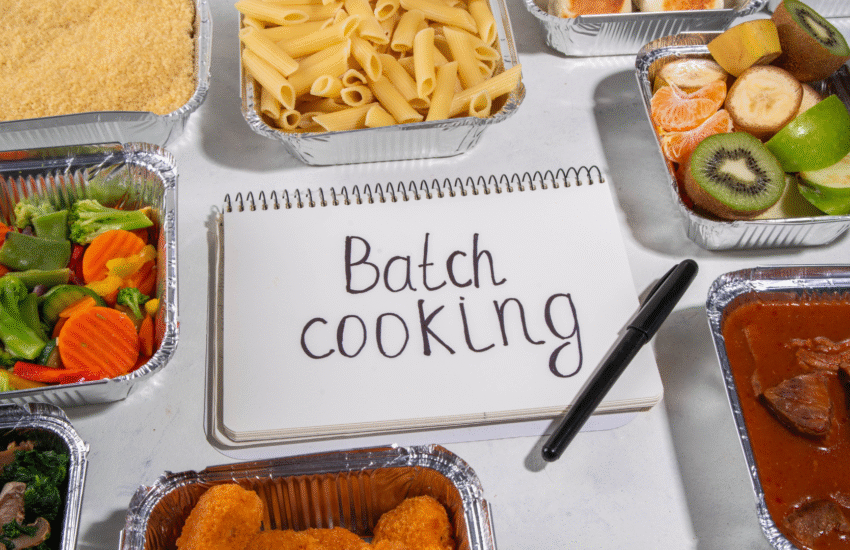
Meal prep involves batch cooking or preparing ingredients ahead of time. Portioning meals in advance prevents last-minute decisions and speeds up daily cooking tasks.
Using airtight containers for storing chopped vegetables, cooked grains, or protein helps maintain freshness. Planning menus for the week promotes balanced meals and lets cooks focus on technique rather than rushing.
Building Flavour and Cooking Intuition
Mastering flavour and intuition in cooking starts with recognising how different tastes interact, knowing when and how to season, and trying new ingredients and techniques. This approach helps cooks become more confident and creative in the kitchen.
Understand and Use Flavour Profiles
Flavour profiles describe the combination of tastes and aromas in a dish, including sweet, salty, sour, bitter, and umami. Recognising these helps cooks balance and enhance meals.
For example, a classic flavour profile in Italian cuisine pairs sweet tomatoes with salty Parmesan and herbal basil. Experimenting with contrasting profiles, like adding acidity to rich dishes, brightens flavours and keeps food interesting.
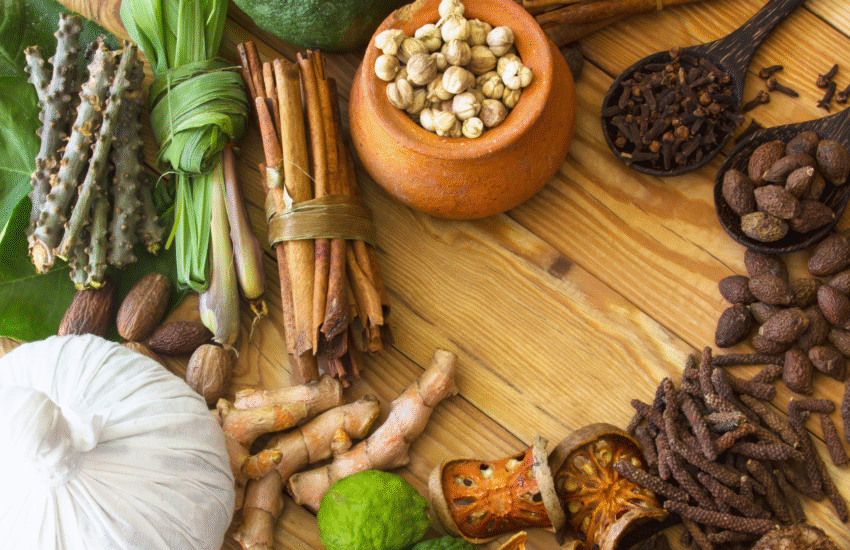
Learning key spice blends or regional profiles—such as garam masala in Indian cooking or herbes de Provence in French cuisine—guides seasoning choices and deepens understanding of taste.
Season Food Like a Pro
Seasoning is crucial. The process starts with salt, which enhances natural flavours rather than masking them. Season meat, vegetables, and even water when boiling pasta.
Use fresh or dried herbs and spices thoughtfully; avoid overloading a dish. Add salt gradually, taste frequently, and adjust. Layer seasonings through cooking stages to build flavour.
Keep basic seasonings on hand: salt, black pepper, garlic powder, paprika, and dried oregano. These simple tools help cooks adapt recipes and develop a seasoned palate confidently.
Expand Your Culinary Repertoire
Trying new ingredients and techniques builds intuition. Cooking with unfamiliar spices or vegetables increases flavour knowledge and skill.
Begin with small changes, like swapping cumin for coriander or adding a touch of lemon zest. Explore recipes from other cuisines to see how different flavour profiles work.
Documenting results and preferences refines a cook’s intuition. Over time, this experimentation leads to confident adjustments that personalise dishes without strict reliance on recipes.
Resources and Inspiration for Growing Confidence
Gaining confidence in the kitchen often requires practical guidance and repeated practice. Access to reliable resources and engaging content can provide clear methods, visual demonstrations, and hands-on challenges that reinforce skills.
Learn from Cookbooks and The Food Lab
Cookbooks offer structured lessons that introduce recipes, techniques, and ingredient details in a dependable way. The Food Lab by J. Kenji López-Alt is especially valuable for its scientific approach to cooking, explaining why certain methods work best.
Readers learn technique fundamentals such as how to achieve proper searing, cooking times, or seasoning balances. Step-by-step instructions paired with explanations help build understanding and reduce guesswork. This clarity serves to increase cooking confidence effectively.
Physical or digital cookbooks also encourage exploring new cuisines at a comfortable pace. Notes and highlights allow cooks to personalise learning and revisit challenging areas as needed.
Watch Cooking Shows and Online Tutorials
Visual content like cooking shows and tutorials supplies practical demonstrations that complement written instructions. Seeing a chef’s hand movements, timing cues, and problem-solving provides immediate insight into skilful execution.
Platforms like YouTube and streaming services host diverse content from quick tips to full lesson series. Chefs often include kitchen hacks, ingredient substitutions, and plating techniques that accelerate learning.
The Food Lab’s online videos reinforce the book’s lessons by showing techniques in action. Following along boosts muscle memory and reduces anxiety about unfamiliar steps. Repetition while watching builds familiarity and steadies confidence.
Experiment with Baking
Baking refines precision and timing skills, crucial components of cooking confidence. It demands exact measures and patience but offers clear feedback when results turn out well or need adjustment.
Trying simple baking recipes builds a foundational understanding of ingredients like flour, yeast, and eggs. Practising techniques such as kneading or mixing by feel strengthens intuition over time.
When experimenting, cooks learn to identify textures, smells, and visual cues. Overcoming errors in baking is also a valuable learning process that deepens overall kitchen competence and self-assurance.