
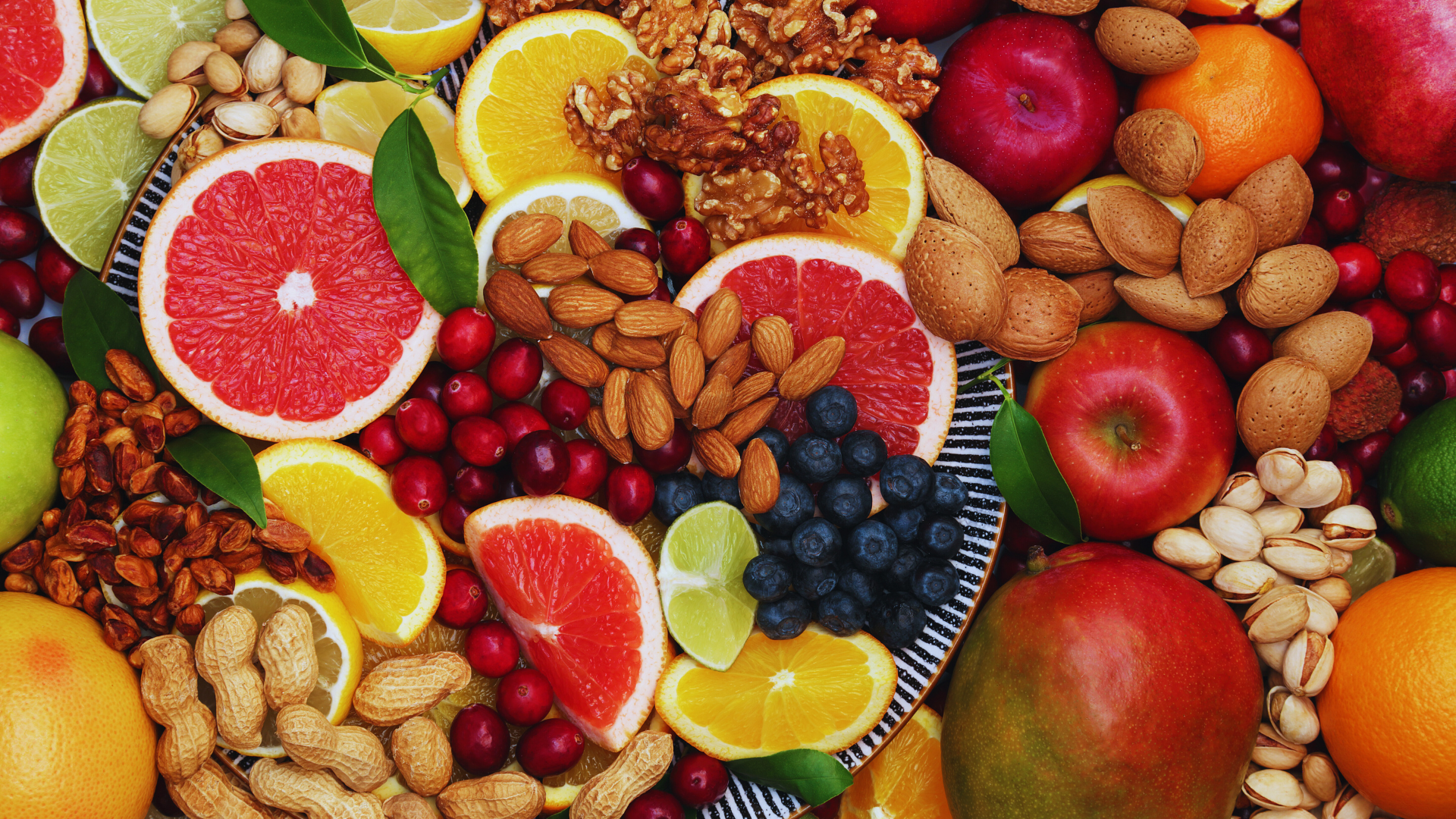
The Benefits of a High-Fibre Diet: Enhancing Digestive Health and Wellbeing
A high-fibre diet plays a crucial role in maintaining overall health. Incorporating more fibre into one’s meals can lead to improved digestion, better weight management, and a lower risk of chronic diseases. By prioritising fruits, vegetables, whole grains, and legumes, individuals can enhance their nutritional intake while experiencing various health benefits.
One notable advantage of a high-fibre diet is its effect on gut health. Fibre helps to regulate bowel movements and prevent digestive issues such as constipation. Additionally, a fibre-rich diet can support a healthy microbiome, which is essential for immune function and nutrient absorption.
Weight management is another benefit associated with increased fibre consumption. Foods high in fibre tend to be more filling, which can lead to reduced calorie intake and promote satiety. This makes it easier for individuals to maintain a healthy weight while enjoying a diverse range of foods.
What Is Dietary Fibre?
Dietary fibre is a crucial component of a balanced diet, contributing significantly to digestive health and overall well-being. It is primarily found in plant-based foods and comes in two main types: soluble and insoluble. Each type plays a unique role in the body and offers various health benefits.
Types of Fibre: Soluble vs Insoluble
Fibre can be classified into two categories: soluble and insoluble.
- Soluble Fibre: This type dissolves in water and forms a gel-like substance in the digestive tract. It can help lower blood cholesterol levels and control blood sugar levels. Common sources include oats, beans, lentils, fruits, and some vegetables.
- Insoluble Fibre: This type does not dissolve in water and adds bulk to stools, promoting regular bowel movements. It is essential for preventing constipation and is found in whole grains, nuts, seeds, and the skins of many fruits and vegetables.
Both types are important for maintaining a healthy digestive system.
Recommended Fibre Intake
Dietary guidelines suggest that adults should aim for a daily fibre intake of 30 grams for men and 25 grams for women. Achieving this can help manage weight, lower the risk of chronic diseases, and improve digestive health.
To increase fibre intake, individuals can incorporate more whole foods into their diets, such as:
- Whole grains (brown rice, quinoa)
- Fruits (apples, bananas, berries)
- Vegetables (broccoli, carrots, leafy greens)
- Legumes (chickpeas, black beans)
Gradually increasing fibre intake and drinking plenty of water can minimise potential side effects like bloating and gas.
How Fibre Affects the Digestive System
Fibre plays a vital role in digestive health by enhancing bowel function and reducing constipation. It helps add bulk to stools, making them easier to pass.
Additionally, soluble fibre can support gut health by feeding beneficial gut bacteria, contributing to a balanced microbiome.
Potential benefits include reduced bloating and improved regularity, as well as lower incidences of digestive disorders. By maintaining optimal fibre intake, individuals can support their digestive systems effectively.
Health Benefits of a High-Fibre Diet
A high-fibre diet yields numerous health benefits. It improves heart health, assists in blood sugar regulation, aids in weight management, and can reduce the risk of certain cancers. These aspects contribute significantly to overall well-being.
Improved Heart Health and Lower Cholesterol
Fibre-rich foods promote heart health by aiding in cholesterol regulation. Studies have shown that soluble fibres, particularly from oats, beans, and fruits, can lower LDL (bad) cholesterol levels. This reduction helps decrease the risk of heart disease and cardiovascular conditions.
Furthermore, a high-fibre diet contributes to better blood pressure control. Incorporating fibre into meals can enhance the body’s ability to manage blood vessel function. This is essential for reducing the likelihood of heart attacks and strokes.
Blood Sugar Control and Diabetes Prevention
A diet high in fibre assists in stabilising blood sugar levels. Soluble fibre slows digestion, leading to the gradual absorption of glucose. This process is particularly beneficial for individuals managing diabetes or at risk of developing type 2 diabetes.
Adding fibres like those in legumes, whole grains, and fruits can fend off blood sugar spikes. Regular fibre intake improves insulin sensitivity, which is crucial for maintaining healthy blood sugar levels.
Weight Management and Appetite Control
Fibre plays a key role in weight management by promoting satiety. Foods high in fibre take longer to digest, keeping individuals fuller for longer. This can help reduce overall calorie intake, which is vital for weight control.
Additionally, high-fibre foods often have a lower energy density, meaning they provide fewer calories per gram. Incorporating such foods into meals can support a balanced diet, making it easier to maintain a healthy weight without feeling deprived.
Reduced Risk of Certain Cancers
A high-fibre diet is linked to a decreased risk of certain cancers, particularly colorectal cancer. The fermentation of soluble fibre in the colon produces short-chain fatty acids (SCFAs), which have protective effects on bowel health.
Moreover, high dietary fibre intake is associated with a lower incidence of bowel cancer. The bulk provided by fibre helps to keep the digestive tract functioning efficiently, potentially reducing cancer risk. Consuming a variety of fibre sources is essential for maximising these benefits.
Good Sources of Dietary Fibre
A variety of foods provide significant amounts of dietary fibre, essential for digestive health. Incorporating these foods into meals can support overall health and provide numerous benefits.
Whole Grains and Wholemeal Foods
Whole grains are excellent sources of dietary fibre. Foods such as brown rice, quinoa, and oats contain the entire grain kernel, including the bran, germ, and endosperm.
Wholemeal products, like wholemeal bread and wholegrain pasta, also offer higher fibre content compared to their refined counterparts. For breakfast, whole grain cereals, especially those labelled as high-fibre, like bran flakes or muesli, can effectively boost fibre intake.
Including sources such as wheat bran adds additional fibre, making it a convenient choice for those looking to enhance their diets.
Fruits and Vegetables
Fruits and vegetables are vital for a high-fibre diet. Items like apples, bananas, and pears provide significant fibre, especially when the skin is consumed.
Vegetables such as broccoli, carrots, and sweet potatoes are not only nutritious but also offer substantial fibre content. It’s beneficial to consume a variety of colours and types to maximise nutrient intake.
Juicing can reduce fibre content, so it is generally advised to eat whole fruits and vegetables for full benefits.
Legumes, Pulses, and Beans
Legumes, pulses, and beans are among the richest sources of fibre. Varieties such as lentils, chickpeas, and black beans provide high fibre content while also being excellent protein sources.
Incorporating these foods into soups, stews, or salads can enhance fibre intake significantly.
A single serving of lentils can provide over 15 grams of fibre. This makes them a valuable addition for anyone looking to increase their dietary fibre without excessive calorie intake.
Nuts, Seeds and Other Plant-Based Foods
Nuts and seeds add not only fibre but also healthy fats to the diet. Chia seeds and linseed are particularly fibre-rich, making them great additions to smoothies or yoghurt.
Other nuts like almonds, walnuts, and hazelnuts contribute fibre while providing essential nutrients.
Plant-based foods encompass various options that can enhance fibre intake, such as whole food snacks or plant-based protein sources. Incorporating a handful of mixed nuts or seeds into meals can boost both health benefits and fibre content effectively.
Practical Tips for Increasing Fibre Intake
Increasing fibre intake in a diet involves gradual changes that enhance nutrition while ensuring comfort. Implementing these practical strategies can lead to sustained dietary improvements.
How to Safely Add More Fibre to Your Diet
To incorporate more dietary fibre, individuals should start slowly. Gradually increasing fibre allows the digestive system to adjust and reduces potential issues like bloating and gas.
Begin with foods known for high fibre content, such as fruits, vegetables, nuts, and whole grains.
Consider the following steps:
- Mix high-fibre foods into meals. For example, add beans to soups or salads.
- Choose whole grain products, like brown rice and wholemeal bread, instead of refined options.
- Introduce breakfast cereals that contain at least 5g of fibre per serving.
Additionally, it’s important to drink plenty of water to aid digestion.
Sample High-Fibre Meals and Snacks
Creating high-fibre meals can be simple and flavourful. Here are some examples:
- Breakfast: Oatmeal topped with berries and a sprinkle of flaxseeds.
- Lunch: Whole grain wrap filled with hummus, spinach, grated carrots, and sliced peppers.
- Dinner: Quinoa with roasted vegetables and a side of lentil salad.
- Snacks: A handful of mixed nuts, apple slices with peanut butter, or whole-grain crackers with cheese.
Incorporating these meals and snacks enhances fibre intake while offering balanced nutrition.
Addressing Common Concerns
Some may experience discomfort when increasing fibre, such as bloating or gas. To minimise these effects, one approach is to increase fibre slowly over several days or weeks.
It’s also advisable to combine fibre intake with adequate hydration. Drinking water helps the body process fibre effectively.
For those with specific concerns about diet, consulting a dietitian can be beneficial. They can provide tailored recommendations to balance dietary fibre with personal health needs.