
Healthy Eating While Dining Out: Tips for Making Nutritious Choices
Dining out presents both opportunities and challenges for those aiming to maintain healthy eating habits. With diverse menus and enticing options, it can be easy to stray from a balanced diet. By making informed choices and prioritising nutrient-rich foods, individuals can enjoy eating out without sacrificing their nutrition.
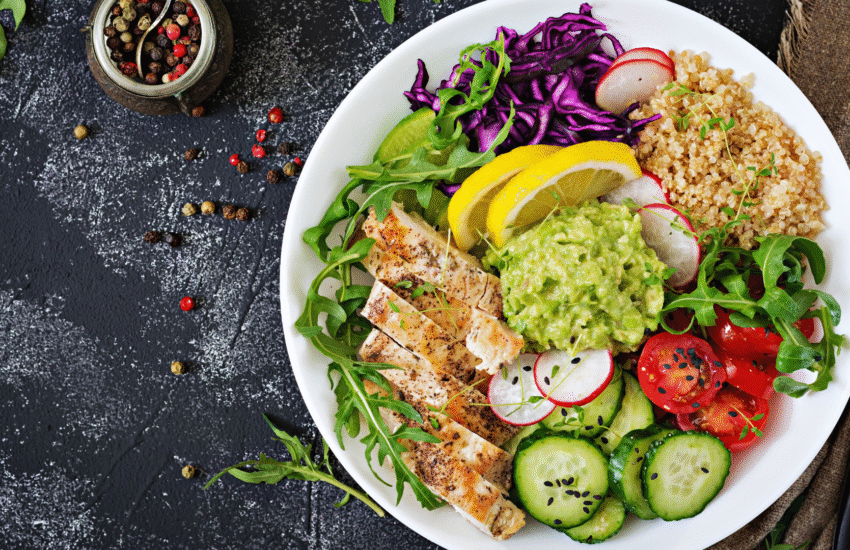
When navigating restaurant menus, it’s essential to identify dishes that offer wholesome ingredients. Opting for meals that include plenty of vegetables, lean proteins, and whole grains can significantly enhance the nutritional value of a dining experience. Moreover, being mindful of portion sizes and preparation methods, such as favouring grilled over fried, can further support healthy eating goals.
Making healthy choices while dining out doesn’t require sacrificing flavour or enjoyment. Many restaurants now offer lighter options or flexible menus, allowing diners to customise their meals. By approaching dining out with a conscious mindset, individuals can savour their meals while adhering to their dietary preferences and nutritional needs.
Planning for Healthier Dining
Making informed choices when dining out starts with careful planning. By evaluating menu options in advance and understanding how to balance meals throughout the day, individuals can maintain a nutritious diet while enjoying meals away from home.
Assessing Menu Options Beforehand
Many restaurants provide their menus online, along with nutrition information. Reviewing these details enables diners to identify healthier choices.
Key considerations include:
- Identifying lighter dishes: Look for grilled, baked, or steamed options instead of fried items.
- Portion control: Be aware of portion sizes; some meals may serve enough for two.
- Choosing sides wisely: Opt for vegetables or salads rather than chips or creamy sides.
Diners can also check for special dietary icons, such as gluten-free or low-calorie labels, to facilitate healthier choices. This preparation allows diners to feel confident about their selections before arriving at the restaurant.
Balancing Your Meals Throughout the Day
Maintaining a balanced diet is crucial for overall health. Prioritising nutrition at breakfast and lunch can create room for a more indulgent dinner without excessive calorie intake.
Practical tips include:
- Filling meals: Incorporate plenty of protein and fibre in earlier meals to stay satisfied longer.
- Light snacks: If lunch is substantial, a small snack like a piece of fruit or nuts can keep hunger at bay before dining out.
- Hydration: Drinking water throughout the day can help manage appetite and prevent overeating later.
By understanding their nutritional needs and planning daily intake, diners can make healthier decisions when enjoying meals outside the home.
Making Informed Choices at the Restaurant
When dining out, making informed choices can significantly impact dietary health. Prioritising nutrient-dense foods, understanding portion sizes, and recognising healthier cooking methods can lead to better dining experiences and outcomes. For those who still want to enjoy a hearty, expertly prepared grilled option, choosing a reputable venue such as a Steak restaurant Covent Garden (or elsewhere) can provide responsibly sourced, fire-cooked steaks that balance flavour with transparency about sourcing.
Selecting Nutrient-Dense Foods
Choosing nutrient-dense foods is essential for healthy eating. This includes prioritising options rich in vitamins, minerals, and other beneficial nutrients.
Some beneficial choices include:
- Vegetables: Aim for a variety of colours, such as leafy greens, bell peppers, and carrots.
- Lean Proteins: Select chicken, turkey, fish, or plant-based proteins like lentils and beans.
Avoid dishes heavy in refined carbohydrates and added sugars. Instead, look for meals that incorporate whole, unprocessed foods.
Understanding Portion Sizes and Control
Portion sizes at restaurants are often larger than necessary. Being mindful of portion sizes helps in managing caloric intake.
Strategies include:
- Sharing Meals: Split a dish with a dining companion.
- Requesting Smaller Portions: Some restaurants offer half portions or appetisers as main courses.
Using the palm as a guide can be helpful. For instance, a serving of protein should be about the size of a palm, while vegetables can be the size of a fist.
Identifying Healthier Cooking Methods
Cooking methods play a crucial role in the overall healthfulness of a meal. Opt for dishes prepared using healthy techniques.
Healthier options include:
- Grilled: Provides flavour without excess fat.
- Steamed: Maintains nutrient integrity while reducing calorie count.
- Baked: Allows for healthy preparation without frying.
Be cautious with sauces and dressings, as they can add hidden calories. Request dressings on the side to control the amount used. These simple adjustments can transform a seemingly indulgent meal into a healthier choice.
Customising Meals for Optimal Nutrition
Making adjustments to meals while dining out can significantly enhance nutritional value. By requesting ingredient substitutions and modifying sauces and dressings, diners can enjoy their meals without compromising on health.
Requesting Ingredient Substitutions
When ordering, individuals can choose healthier ingredient options. For instance, selecting grilled chicken instead of fried can lower saturated fat and calories.
Other helpful swaps include:
- Whole grain bread instead of white.
- Quinoa or brown rice instead of white rice.
- Leafy greens as a substitute for heavier bases like pasta.
Additionally, diners should feel empowered to ask for smaller portions of high-calorie items like cheese or cream. Establishments are often willing to accommodate special requests, making it essential to communicate specific preferences.
Modifying Sauces and Dressings
Sauces and dressings can be a hidden source of added sugars, saturated fat, and sodium. Choosing these wisely is crucial for maintaining a healthy meal.
Instead of pre-made sauces, requesting:
- Dressings on the side allow for controlling the amount used.
- Vinaigrettes can replace creamy options, providing flavour with fewer calories.
When ordering, individuals may also ask for sauces to be made with less sugar or oil. Many restaurants are flexible and can offer healthier versions upon request. By being proactive, diners can enjoy flavourful meals that align with their nutritional goals.
Special Considerations for Diverse Diets
Dining out while maintaining a specific diet requires awareness and choices that support individual health needs. Different diets, such as vegetarianism and those necessitating allergy considerations, play a crucial role in making informed decisions. For those who are diet-conscious or need gluten-friendly options, exploring the best restaurants jacksonville beach or in other regions can uncover venues that thoughtfully cater to these needs. Many restaurants offer gluten-free meals, lighter entrees, allowing diners to enjoy flavorful dishes without compromising their dietary goals. Choosing such venues makes it easier to stick to nutrition-conscious choices while still enjoying a lively atmosphere, eclectic dishes, and carefully crafted beverages.
Vegetarian and Plant-based Dining Out
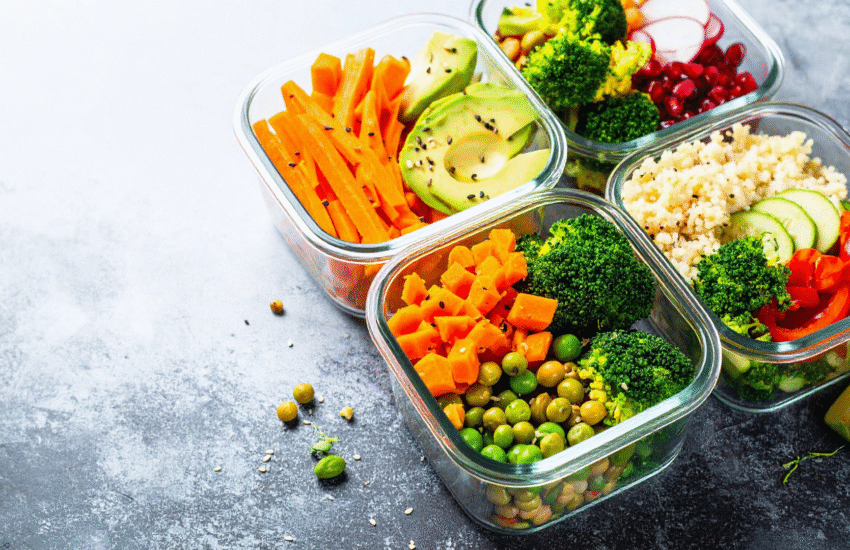
Dining options for vegetarians or those following a plant-based approach are increasingly available. When choosing dishes, it is essential to look for whole grains, legumes, fruits, and vegetables as they are rich in nutrients. Items like quinoa salads or stir-fried tofu with assorted vegetables can enhance nutritional intake. Many restaurants now offer specialised menus catering to these approaches. For example, establishments such as the Banana Daddy in Midtown can serve up a variety of vegan dessert options, including plant-based ice creams, fruit parfaits, and indulgent treats that cater to a plant-forward diet.
Tip: Always ask about preparation methods to avoid hidden ingredients, such as dairy in sauces or broths. Online menus can help in planning, making it easier to identify suitable options before arriving at the restaurant.
Allergies and Intolerances
For diners with food allergies or intolerances, clear communication with restaurant staff is vital. Sharing details about specific allergies ensures safe dining experiences. Restaurants are often able to accommodate requests, such as gluten-free options or dairy-free alternatives. It can be helpful to know common allergens in different cuisines.
List of common allergens:
- Gluten: Found in many bread products and sauces.
- Dairy: Present in cheese, butter, and creamy sauces.
- Nuts: Often used as toppings or in dressings.
Dining out can be safe and enjoyable, provided that diners actively engage with restaurant staff and select options aligned with their dietary needs.