
Fitness Routines That Pair Well With a Busy Lifestyle for Maximum Efficiency and Results
Many people struggle to maintain fitness routines when their schedules are packed with work, family, and other commitments. Finding an effective workout that fits into a limited time is crucial for staying consistent and healthy.
The best fitness routines for busy lifestyles focus on short, high-intensity exercises that maximise results in minimal time. These routines often include activities like circuit training, bodyweight exercises, or quick cardio sessions that require little to no equipment.
By choosing routines designed for efficiency, individuals can improve strength, endurance, and overall fitness without spending hours in the gym. This approach makes it easier to stay committed and integrate exercise seamlessly into a busy day.
Key Principles of Fitness for a Busy Lifestyle
Maintaining fitness with a busy lifestyle requires deliberate choices about time and effort. Prioritising exercise, making workouts efficient, and creating consistent habits support better energy levels and overall well-being.
Prioritising Regular Exercise
Identifying regular exercise as a non-negotiable priority is essential for those with limited time. He or she should schedule workouts as firmly as meetings or appointments to avoid skipping sessions. Consistency relies on recognising exercise as crucial for mental and physical health, not just a leisure activity.
Even short sessions, such as 20 minutes of brisk walking or bodyweight exercises, can improve cardiovascular health and mood. Prioritising means adapting plans when unexpected events occur without using busy days as an excuse to skip physical activity entirely.
Maximising Efficiency with Limited Time
Efficiency in workouts is key when time is scarce. High-Intensity Interval Training (HIIT) and circuit training offer maximum results with minimal time, combining strength and cardio in one session. These methods improve endurance and muscle tone in 15-30 minutes.
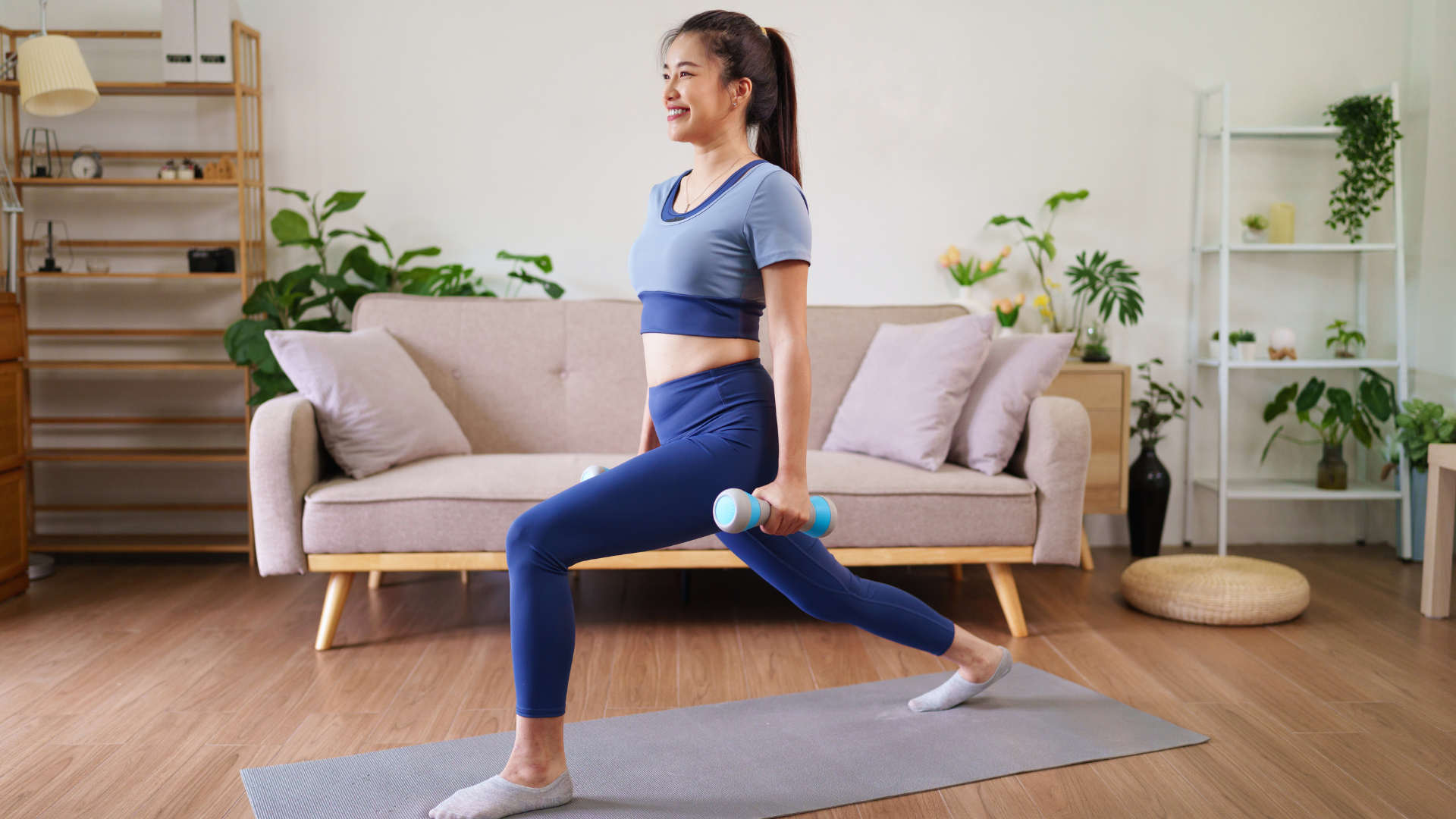
Using compound movements like squats, lunges, and push-ups engages multiple muscle groups simultaneously, making exercises more productive. Planning exercises that do not require special equipment or gym visits saves travel time.
A weekly plan including varied, quick workouts prevents boredom and plateaus. He or she should track progress to ensure sessions remain challenging but achievable within time constraints.
Building Consistency and Momentum
Sustained fitness comes from building routines that fit naturally into daily life. Setting realistic goals, such as exercising three times weekly, helps establish momentum. Small, achievable steps encourage ongoing commitment when a busy lifestyle threatens motivation.
Accountability tools, like workout logs or apps, reinforce consistency by providing measurable progress. He or she should combine workouts with daily tasks, like cycling to work or using stairs, further integrating activity into life.
Consistency boosts energy and overall well-being, creating a positive feedback cycle where regular exercise becomes easier to maintain despite a packed schedule.
Most Effective Fitness Routines for Hectic Schedules
Short, intense workouts maximise effort in a limited time. These methods use minimal equipment and focus on multiple muscle groups to boost efficiency and convenience.
High-Intensity Interval Training (HIIT)
HIIT alternates brief bursts of intense exercise with short recovery periods. This method increases heart rate quickly, burning calories and improving cardiovascular fitness in 15–30 minutes.
Typical exercises include sprints, jumping jacks, and burpees. Sessions can be modified to individual fitness levels and performed anywhere, making it ideal for busy schedules. The time-saving nature of HIIT offers significant fitness benefits without long gym sessions.
Quick Bodyweight Circuits
Bodyweight circuits use exercises like push-ups, squats, and lunges to target multiple muscle groups. These workouts require no equipment and can be adapted to varying fitness levels.
Circuit training involves performing one exercise after another with minimal rest. This keeps heart rate elevated and maximises calorie burn. Sessions last 15–20 minutes, making them practical for tight timelines while still offering strength and endurance improvements.
Time-Saving Resistance Band Workouts
Resistance bands provide portable strength training options. They effectively engage muscles with variable resistance through exercises such as rows, presses, and leg kicks.
These workouts typically combine multiple moves to hit large muscle groups in 20 minutes or less. Resistance bands are lightweight and fit easily into daily routines, making them suitable for home, office, or travel use.
Efficient Compound Exercise Patterns
Compound exercises like squats, lunges, and push-ups involve multiple joints and muscles simultaneously. This increases workout efficiency by targeting more body parts in fewer movements.
Incorporating dumbbells or resistance bands with these exercises further intensifies the workout. Patterns combining 3–4 compound moves in circuits enhance strength and coordination within a compact timeframe, ideal for those managing work and family commitments.
Incorporating Flexibility and Mental Wellness
Balancing physical flexibility with mental resilience enhances a busy lifestyle. Practical approaches focus on adaptable movement and mindful practices that fit into tight schedules without sacrificing effectiveness.
Yoga and Stretching for Adaptable Routines
Yoga combines strength and flexibility, making it ideal for busy individuals seeking low-impact yet comprehensive workouts. Short sessions targeting major muscle groups can improve joint mobility and reduce stiffness within 10 to 20 minutes.
Stretching before and after daily activities maintains muscle elasticity and prevents injury. Simple routines like forward bends, lunges, and spinal twists require minimal space and equipment. Consistency is key; even brief daily sessions support gradual improvement in range of motion.
Integrating yoga poses such as downward dog or cat-cow into morning or evening routines helps balance physical exertion and recovery. This adaptability ensures fitness practices remain manageable alongside demanding schedules.
Integrating Meditation and Focus
Meditation enhances mental clarity and reduces stress, crucial for maintaining productivity amid busyness. Brief meditation periods, between 5 to 15 minutes, can improve concentration and emotional regulation.
Techniques such as focused breathing or guided imagery allow individuals to centre their attention quickly. Regular practice trains the mind to handle distractions and heightens awareness, which can benefit both work and exercise sessions.
Consistent meditation supports clearer goal setting and decision-making. It also complements physical routines by promoting relaxation and preventing burnout through mindful awareness of the body’s signals.
Active Daily Habits and Brisk Walking
Incorporating brisk walking into everyday routines offers cardiovascular benefits with minimal time investment. Walking at a pace of around 5 to 6 km/h increases heart rate enough to improve fitness without requiring specialised gear or gym visits.
Taking regular walking breaks during work hours or choosing stairs over lifts sustains activity levels throughout the day. This habit supports joint health and circulation, which complements more structured fitness efforts.
Active daily habits, such as standing meetings or short stretching breaks, reinforce physical movement. These small adjustments reduce sedentary periods, boosting overall energy and productivity when well managed.
Tracking Progress and Staying Motivated
Tracking progress consistently and recognising achievements are crucial for maintaining a busy person’s fitness routine. Using the right tools and adapting plans over time can help sustain motivation and encourage steady improvement.
Using Technology and Wearables
Wearable devices like fitness trackers and smartwatches provide real-time data on steps, heart rate, and calories burned. These devices allow users to set daily goals and receive reminders, which helps to maintain focus despite a tight schedule.
Apps specialised in workout tracking can log different exercise types and durations. Syncing data between devices offers a clearer picture of overall progress. Notifications from these apps can encourage short, active breaks even during a busy day.
Technology also enables visual dashboards, showing trends over weeks or months. This visual feedback can increase accountability and make it easier to identify when to push harder or recover.
Monitoring Achievements and Adjusting Plans
Regular review of fitness data helps identify strengths and weaknesses. Assessing metrics like workout frequency, intensity, and recovery time can inform necessary plan adjustments to avoid plateaus or burnout.
Setting measurable goals, such as increasing running distance by 10% every two weeks, provides specific targets. Tracking progress against these removes guesswork and highlights tangible improvements.
If progress stalls, plans may require modification, such as adding cross-training or adjusting rest days. Personal circumstances or schedule changes should also prompt plan reviews to keep routines manageable and effective.
Sustaining Motivation with Small Wins
Celebrating small victories, like completing a week of consistent workouts or improving posture, reinforces commitment. These incremental wins help break down larger goals into achievable steps.
Reward systems, whether through self-praise or small treats, can boost morale. Sharing progress with friends or joining online fitness communities provides social reinforcement.
Maintaining a journal or app notes about how exercise affects energy levels and mood can demonstrate benefits beyond physical appearance. Recognising these broader gains encourages continued effort despite a busy lifestyle.