
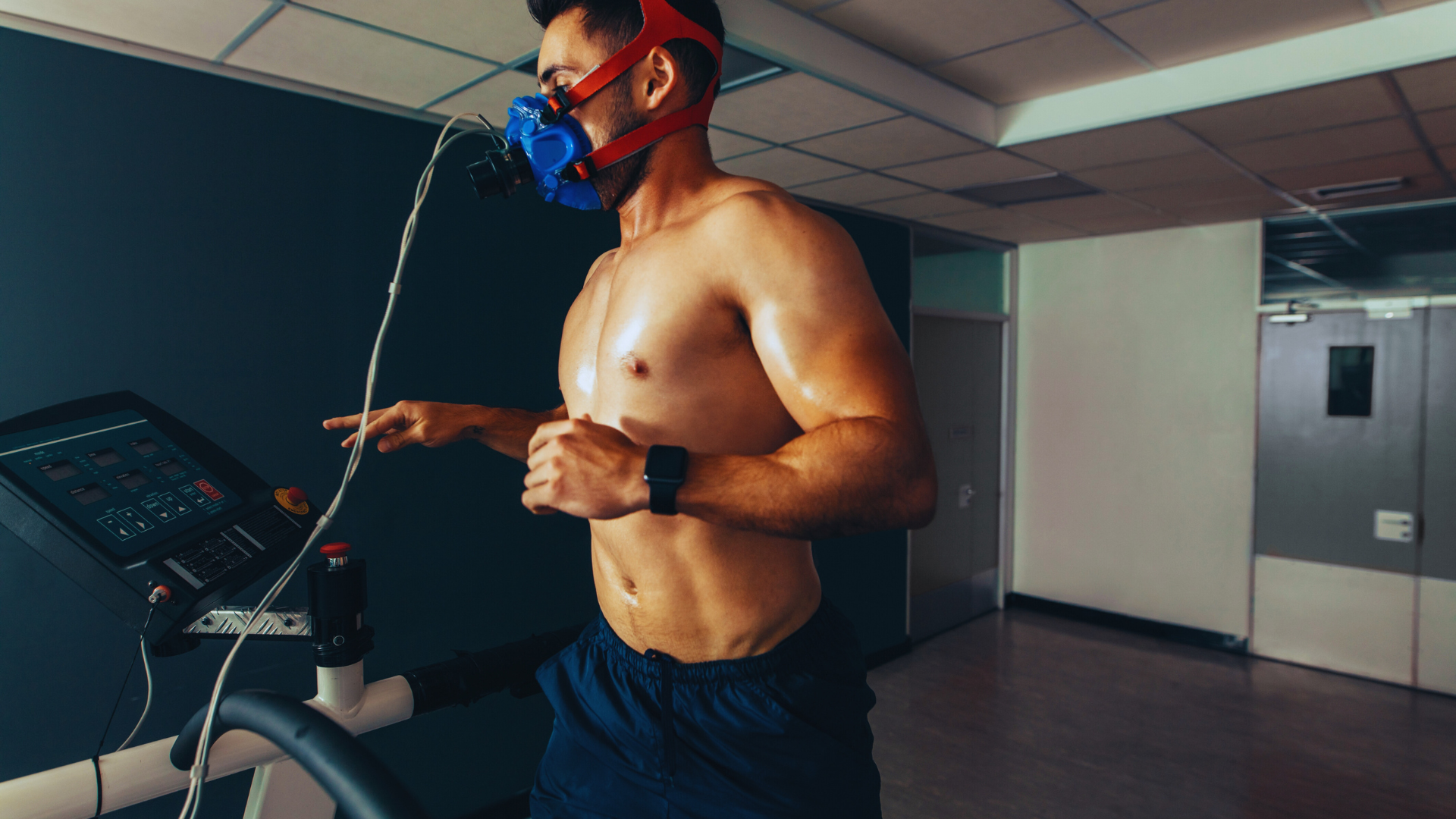
How to Train Like a Professional Athlete: Essential Strategies for Peak Performance
Training like a professional athlete involves more than just regular exercise. It encompasses a disciplined approach that shapes both physical and mental fortitude. Those looking to enhance their athletic performance must adopt a rigorous regimen that includes tailored workouts, proper nutrition, and mental resilience strategies.
To achieve fitness goals comparable to those of elite competitors, an individual should focus on building strength, agility, and endurance through a varied training program. This not only improves physical capabilities but also fosters mental toughness, essential for overcoming challenges and pushing through plateaus.
Emulating the training methods of successful athletes provides valuable insights into optimizing performance. By embracing a comprehensive approach that integrates physical training with mental conditioning, anyone can strive towards their personal best and achieve greater athletic success.
Creating Your Training Plan
Developing a comprehensive training plan requires attention to detail and structure. A well-crafted program not only incorporates various fitness components but also ensures that progress is measurable and sustainable.
Fundamentals of a Balanced Training Programme
A balanced training program includes strength, endurance, flexibility, and mobility. Each component plays a crucial role in enhancing overall athletic performance.
- Strength training focuses on building muscle mass and power, which is essential for explosive movements.
- Endurance exercises improve stamina, allowing athletes to sustain performance over longer periods.
- Flexibility and mobility work help prevent injuries and improve the range of motion, crucial for all sports.
Incorporate activities like weightlifting, running, and yoga to cover these bases. By ensuring the program includes diverse modalities, an athlete can reduce the risk of overuse injuries and maintain engagement.
Incorporating Periodization and Variety
Periodization involves cycling through different training phases to optimize performance. Dividing the training year into distinct blocks allows for focused improvements in specific areas, such as strength, endurance, or speed.
- Macrocycle: The long-term plan (e.g., an entire year).
- Mesocycle: Shorter phases within the macrocycle (e.g., 4-12 weeks).
- Microcycle: Weekly workouts that fit into mesocycles.
Including variety within each phase prevents plateaus and keeps workouts stimulating. Alternate training modalities and adjust volume and intensity regularly to promote adaptations in strength, agility, and balance, ensuring a comprehensive approach to performance training.
General conditioning provides an important foundation, but athletes in technical sports also need training that reflects the movements and skills of their discipline. Gymnasts, for example, benefit from access to appropriate equipment, progressive skill work, and experienced coaching alongside their broader strength and mobility programme. For athletes in the Spring, Texas area, a dedicated Gymnastics Training Center can provide that sport-specific environment while supporting development from recreational participation through competitive programmes.
Setting and Measuring Fitness Goals
Establishing clear, achievable goals is vital to maintaining focus and motivation. Goals should be Specific, Measurable, Achievable, Relevant, and Time-bound (SMART).
- Short-term goals might involve improving strength or endurance over a few months.
- Long-term goals could focus on achieving specific performance metrics in competition.
Regularly assess progress to make necessary adjustments to the training plan. This can include tracking metrics like weight lifted, distance run, or agility tests. By continuously measuring performance, an athlete can stay on track and adjust their program to suit evolving needs and capacities.
Optimizing Nutrition and Recovery
Proper nutrition and effective recovery are vital for enhancing athletic performance. Professional athletes focus on a balanced diet that fuels their training while employing recovery strategies that minimize fatigue and optimize muscle repair.
Key Aspects of Sports Nutrition
Sports nutrition involves consuming the right balance of macronutrients: carbohydrates, proteins, and fats. Carbohydrates provide the primary energy source during training and competition. Athletes typically require 5-7 grams of carbohydrates per kilogram of body weight daily, depending on the intensity of their training.
Protein is crucial for muscle repair and growth. Aiming for approximately 1.2-2.0 grams per kilogram of body weight helps support recovery and performance. Sources like lean meats, dairy, legumes, and certain grains are beneficial.
Healthy fats, such as those in avocados, nuts, and olive oil, support hormone production and provide additional energy. Maintaining a balanced diet that incorporates these nutrients ensures that athletes can perform optimally.
Role of Hydration in Performance
Hydration significantly affects athletic performance. Dehydration can lead to decreased strength, endurance, and cognitive function. It is recommended that athletes drink fluids regularly throughout the day and during workouts, aiming for a minimum of 2-3 liters daily.
Before exercise, consuming 500ml of water one to two hours prior can enhance performance. During prolonged exercise, sports drinks that contain electrolytes can help replace lost salts and maintain hydration. Post-exercise, rehydration should focus on replenishing fluids and electrolytes lost through sweat. Electrolyte-rich drinks or food items like bananas can support recovery effectively.
Recovery Techniques and Their Importance
Recovery techniques are essential to prepare the body for future training sessions. Rest and recovery can include sleep, nutrition, and active recovery strategies. Practices like cryotherapy and ice baths are popular among athletes for reducing inflammation and speeding up recovery. These methods help manage delayed onset muscle soreness and enhance muscle repair.
Active recovery techniques, such as light jogging or swimming, promote blood flow to muscles, aiding in nutrient delivery. Incorporating stretching and foam rolling into the routine can enhance flexibility and decrease injury risk. Balancing these recovery techniques contributes to an athlete’s long-term success.
Pre-Workout and Post-Workout Routines
Establishing effective pre-workout and post-workout routines is essential for maximizing performance and minimizing injury. This section discusses warm-up strategies, cooling down, and incorporating mobility and functional movement into training.
Effective Warmup Strategies
A proper warm-up prepares the body for intense activity by increasing heart rate and blood flow to the muscles. It may include dynamic stretches, mobility drills, and sport-specific movements.
Examples of warm-up exercises:
- Leg swings: Enhance hip mobility.
- Arm circles: Increase shoulder flexibility.
- High knees: Elevate heart rate and activate leg muscles.
Incorporating these activities for about 10 to 15 minutes can improve elasticity and flexibility, essential for preventing muscle strain. A thorough warm-up not only enhances physical readiness but also sharpens mental focus, setting the tone for an effective training session.
Cool Down and Stretching for Injury Prevention
Cooling down after a workout is equally important as warming up. This phase allows the heart rate to gradually return to baseline, reducing the risk of dizziness or fainting.
Key components of a cool-down routine:
- Light aerobic activity: Walking or cycling at low intensity for 5-10 minutes.
- Static stretching: Focus on major muscle groups like hamstrings, quadriceps, and shoulders. Hold each stretch for 20-30 seconds.
Incorporating these elements post-workout aids in recovery and maintains flexibility. Proper cool-down routines are crucial for injury prevention, helping to alleviate soreness and promote muscle relaxation.
Incorporating Mobility and Functional Movement
Integrating mobility and functional movement into training routines enhances overall performance. Mobility work focuses on joint range of motion, improving the ability to perform everyday movements efficiently.
Key mobility exercises may include:
- Hip openers: Improve flexibility in the hip joint.
- Thoracic spine rotations: Enhance upper body movement.
Functional movements, such as squats and lunges, promote strength and flexibility in real-world scenarios. Prioritizing these components ensures that the athlete is not only fit but also adaptable, reducing the likelihood of injuries during intense physical activity.
Enhancing Mental and Physical Toughness
Achieving peak performance requires a balance between mental resilience and physical endurance. Building mental toughness can significantly impact an athlete’s overall performance. Specific techniques foster greater focus and stamina while recognizing the importance of recovery.
Building Mental Resilience Through Training
Mental resilience can be developed through consistent training and challenging experiences. Athletes often utilize exposure to difficult conditions, such as adverse weather or high-pressure situations, to strengthen their mental resolve. Incorporating failure into training allows them to learn and adapt. Regularly facing challenges builds confidence and promotes a growth mindset.
Key Strategies:
- Embrace challenges: Learn to view obstacles as opportunities for growth.
- Visualization: Mentally rehearsing performance enhances confidence and reduces anxiety.
Techniques for Improving Focus and Stamina
Improving focus and stamina involves both physical and mental techniques. Practices like mindfulness meditation can enhance concentration, allowing athletes to maintain performance during competition.
Regular interval training boosts cardiovascular fitness and stamina, making it easier to sustain energy levels. Integrating varied workouts keeps the mind engaged.
Techniques to Consider:
- Breathing exercises: Simple techniques can calm the mind and enhance focus.
- Setting specific goals: Clear, achievable objectives help maintain motivation during training.
The Role of Rest in Mental and Physical Peak Performance
Rest is crucial for both mental and physical performance. Recovery allows the body to heal and replenish energy levels. It also gives the mind time to process training and experiences, enhancing retention of skills. Incorporating rest days into training schedules helps to prevent burnout. Quality sleep is equally important for cognitive function and overall performance.
Rest Considerations:
- Sleep hygiene: Focus on regular sleep routines and a conducive environment.
- Active recovery: Engage in low-intensity activities that aid recovery without exhausting the body.